

 SMS/Fast Response: +61 468 089 155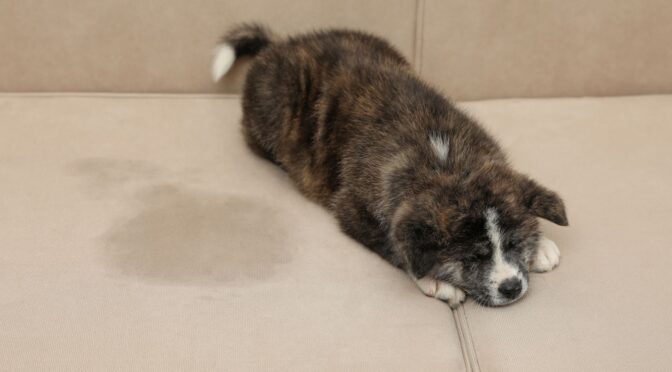
Pet stains on rugs and furniture are much easier to remove when treated quickly. Blot the stain instead of scrubbing, use a pet-safe enzymatic cleaner for urine, avoid harsh chemicals, and make sure the area dries properly. Old stains, strong smells, or repeated accidents may need professional treatment because urine can soak deep into rug backing, upholstery foam, and flooring underneath. Keeping pet stains under control helps protect your furniture, reduce odours, support a healthier home, and make your space feel cleaner, calmer, and more comfortable.
Pets bring comfort, joy, fun, and a lot of personality into a home. They also bring the occasional accident. A wet patch on the sofa. A suspicious smell near the rug. A muddy paw print on the armchair. A vomit stain on the carpet. It happens, even with well-trained pets.
The good news is that many pet stains furniture problems can be managed if they are treated quickly and correctly. The bad news is that pet stains can become much harder to remove when they are ignored, scrubbed too aggressively, or treated with the wrong product.
Pet stains are not just a cleaning problem. They can affect the smell of your home, the health of your family, your mood, your daily comfort, your furniture, and even the value of your rugs and upholstery. A small stain can turn into a bigger issue if it soaks deep into fabric, padding, carpet backing, or rug fibres.
This guide explains how to remove pet stains from furniture and rugs in a simple, practical way. It also covers why pet stain removal matters for your health, emotions, family life, productivity, wellbeing, and household budget.
Why Pet Stains Need Fast Attention
When a pet has an accident, time matters.
Fresh pet stains are easier to remove because the liquid is still sitting close to the surface. Once the stain dries, it can sink deeper into the fabric. Urine, in particular, can leave behind crystals that reactivate when the area becomes damp or warm. This is why an old pet urine stain may suddenly smell again on a hot day or after cleaning.
Pet stains can affect:
Furniture fabric
Rug fibres
Carpet backing
Cushion foam
Timber or concrete flooring underneath rugs
Indoor air quality
The overall smell of the room
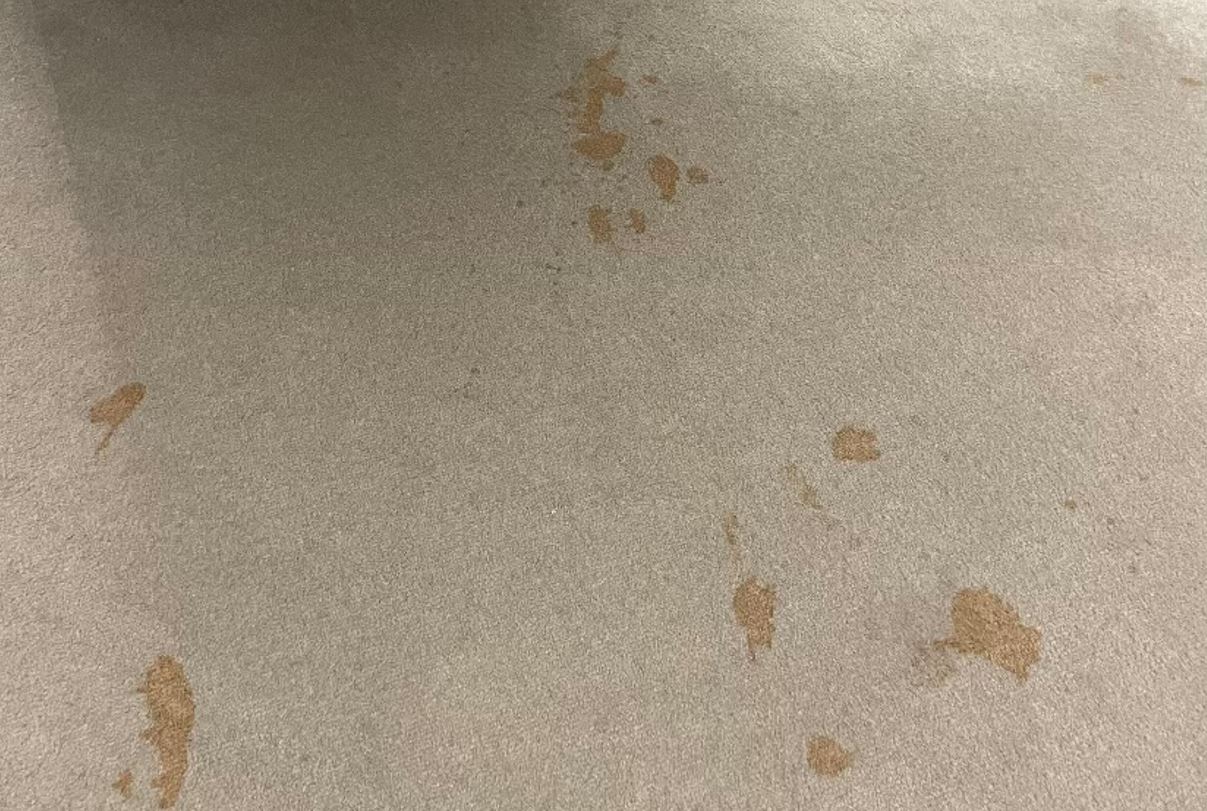
A stain that looks small on the surface may be larger underneath. This is especially true with rugs and sofas. Liquid does not always stay where you see it. It spreads down and out.
That is why blotting, treating, and drying the area properly is so important.
The First Rule: Blot, Do Not Scrub
The first thing many people do is grab a cloth and start rubbing. This feels natural, but it can make the problem worse.
Scrubbing can:
Push the stain deeper
Spread the stain wider
Damage the fabric fibres
Create a worn patch
Make delicate upholstery look fuzzy or faded
Instead, blot the area gently.
Use a clean white towel, paper towel, or absorbent cloth. Press down firmly, lift, and repeat. Keep using a dry section of the cloth until no more liquid transfers.
White cloths are best because coloured towels can sometimes transfer dye onto light furniture or rugs.
For a fresh urine accident, place a thick towel over the area and apply pressure. You can stand on the towel if the stain is on a rug or carpet. The goal is to absorb as much liquid as possible before it sinks deeper.
Check the Fabric Before Cleaning
Not all furniture can be cleaned the same way.
Some upholstery handles water-based cleaning well. Other fabrics may shrink, stain, fade, or develop watermarks. Before using any cleaner, check the care label if available.
Common upholstery cleaning codes include:
W: Water-based cleaner may be used
S: Solvent-based cleaner only
WS: Water-based or solvent-based cleaner may be used
X: Vacuum only, professional cleaning recommended
If there is no label, test any cleaning solution on a hidden area first. Choose a spot behind the cushion, under the sofa, or somewhere not easily seen. Wait for it to dry before treating the visible stain.
This simple step can prevent a small pet stain from becoming a permanent fabric problem.
Why Pet Urine Is So Difficult to Remove
Pet urine is one of the hardest stains to remove from rugs and upholstery because it is not just a liquid mark. It contains uric acid, bacteria, and odour-causing compounds.
When urine dries, it can leave behind crystals. These crystals can stay hidden in fabric, foam, underlay, or carpet backing. When moisture returns, the smell can return too.
This is why spraying perfume, air freshener, or general cleaner over the stain rarely works. It may hide the smell for a short time, but it does not remove the source.
A proper pet urine treatment needs to deal with both the stain and the odour. Professional pet stain removal often starts with assessing how far the stain has travelled into the fibres and how long the urine has been sitting there, because older stains are usually harder to remove. The reference service page also explains that treatment may include hot water extraction and antibacterial or odour removal solutions where suitable.
Use an Enzymatic Cleaner for Urine
For pet urine, an enzymatic cleaner is usually the best household option.
Enzymatic cleaners are designed to break down the organic matter that causes urine stains and odours. Instead of just covering the smell, they help target the source.
Here is a simple process:
Blot up as much urine as possible.
Apply the enzymatic cleaner according to the label.
Let it sit for the recommended time.
Do not rush this step.
Blot away excess moisture.
Allow the area to dry fully.
Some enzymatic cleaners need several hours to work. Others may need overnight contact. Always follow the product instructions.
Avoid using steam cleaners on fresh urine before treating it properly. Heat can sometimes set stains and odours into fibres, especially if the urine has not been broken down first.
This is especially important when trying to remove dog urine sofa stains, because the urine can move past the surface fabric and settle inside the cushion foam.
What Not to Use on Pet Stains
Some common household products can damage rugs or furniture.
Avoid using:
Bleach
Ammonia
Strong disinfectants
Heavy perfumes
Coloured cleaning sprays
Harsh scrubbing brushes
Too much water
Ammonia is a particular problem because urine naturally contains ammonia-like compounds. Using ammonia-based cleaners may make the area smell like a toilet spot to your pet, which can encourage repeat accidents.
Too much water is another common mistake. Soaking a sofa or rug can push the stain deeper and create slow drying. This can lead to musty smells, mould risk, and watermarks.
The goal is not to flood the area. The goal is to treat the stain carefully, remove residue, and dry the area properly.
Removing Pet Stains from Upholstery
Furniture can be tricky because stains often sink into the cushion foam below the fabric.
For fresh stains on upholstery:
Remove any solid matter first.
Blot the area with a clean white towel.
Apply a suitable pet stain remover.
Allow enough dwell time.
Blot again.
Use a small amount of clean water if the fabric allows rinsing.
Blot dry.
Let the cushion air dry completely.
If the cushion cover is removable, check whether it can be washed. Do not assume it is machine washable. Some covers shrink or lose shape in the wash.
If urine has soaked into the cushion foam, surface cleaning may not be enough. The smell may remain inside the cushion even after the fabric looks clean. In this case, deeper treatment or professional cleaning may be needed.
For cat owners, cat urine upholstery cleaning can be especially challenging because cat urine often has a strong smell and can become more noticeable as it dries.
Removing Pet Stains from Rugs
Rugs need special care because urine can pass through the top fibres and into the backing.
For a fresh rug stain:
Blot from the top first.
Lift the rug if possible.
Check the underside.
Blot the underside too.
Place a towel underneath to absorb liquid.
Treat the top and backing if the product allows it.
Dry the rug fully before placing it back on the floor.
This matters because trapped moisture under a rug can damage floors. Timber floors are especially vulnerable. Urine and moisture can cause staining, swelling, or unpleasant smells underneath the rug.
If the rug is wool, silk, antique, handmade, or expensive, be extra careful. These rugs can be sensitive to cleaning products and water. A professional rug cleaner may be the safer option.
Proper rug pet stain removal should always include checking the backing, not just cleaning the top fibres.
Removing Vomit Stains from Furniture and Rugs
Pet vomit can leave both stains and odours. It may also contain food colouring, bile, or stomach acid, which can affect fabric.
Start by removing solids with a spoon, scraper, or paper towel. Do not press the vomit into the fibres.
Then blot the area with a damp white cloth. Apply a suitable upholstery or rug cleaner, following the label. Blot again and let the area dry.
If the stain has a yellow or orange colour, it may be harder to remove because bile can stain fabric quickly. Fast action gives you the best chance of success.
Removing Muddy Paw Prints
Muddy paw prints are different from urine or vomit. The best approach is often to let the mud dry first.
Wet mud spreads easily. Dry mud can usually be vacuumed away before cleaning.
Once dry:
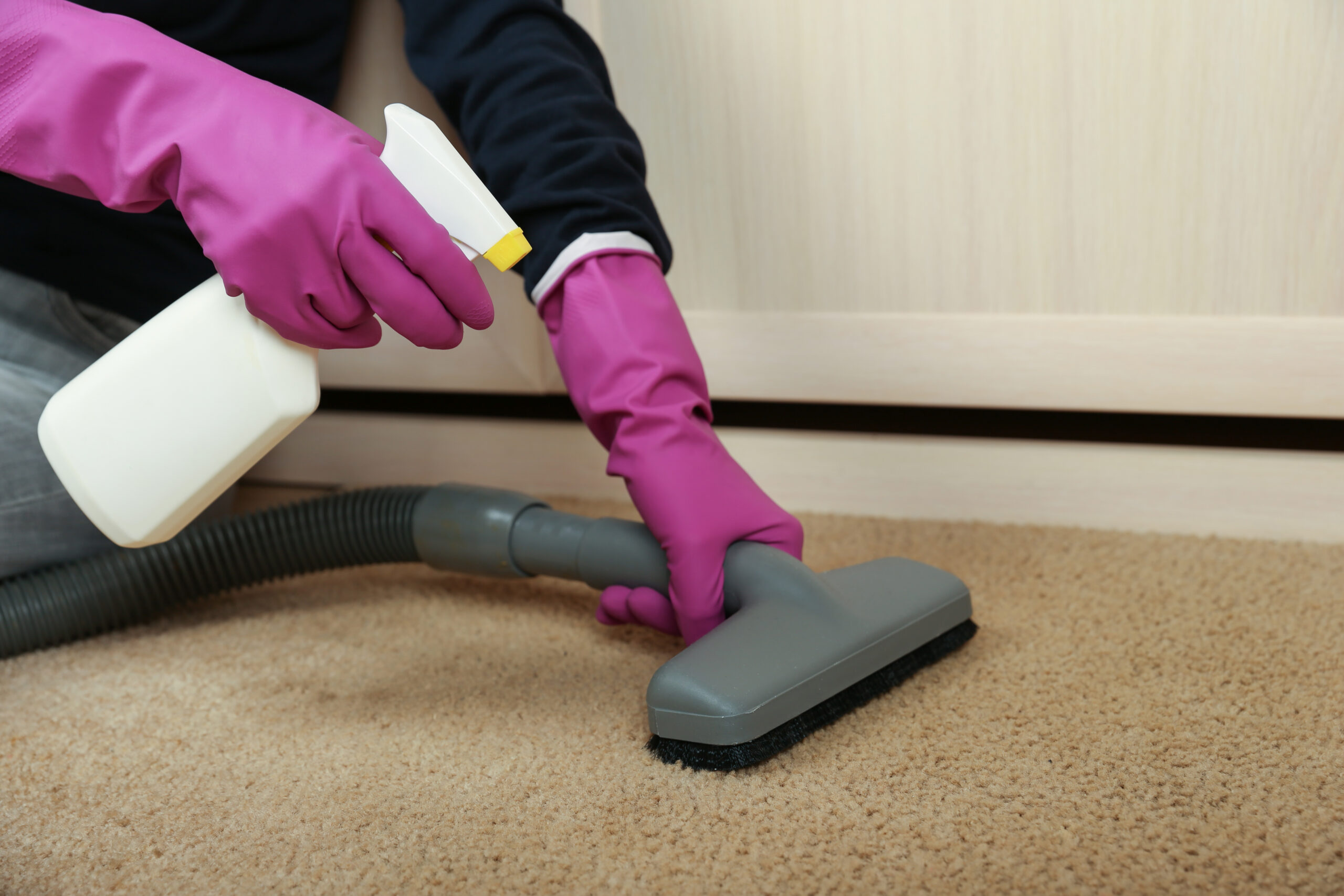
Vacuum the loose dirt.
Use a damp cloth to blot the mark.
Apply a mild fabric-safe cleaner if needed.
Blot again with clean water.
Dry the area.
For rugs, vacuum both sides if possible. Dirt can work its way deep into the fibres, especially in thick rugs.
Carpet vs Rug Pet Stains
Understanding carpet vs rug pet stains can help you choose the right cleaning method.
Carpet is usually fixed to the floor, which means urine can soak into the carpet fibres, underlay, and even the flooring underneath. Rugs can sometimes be lifted, checked underneath, and dried more easily. However, rugs can also be delicate, expensive, or made from natural fibres that need careful handling.
With carpet, the hidden underlay is often the biggest problem. With rugs, the backing and the floor underneath need attention. Both need fast action, proper treatment, and full drying.
The Health Angle: Why Clean Stains Matter
Pet stains are not only unpleasant to look at. They can affect the health of the home.
Old urine, faeces, vomit, and damp fabric can contribute to bacteria and odour problems. If moisture stays trapped, it may also create conditions where mould or mildew can grow.
This can be a bigger issue for:
Young children
Older adults
People with asthma
People with allergies
Pregnant women
Anyone with a weaker immune system
Children often sit, crawl, and play on rugs and sofas. If a rug has hidden pet urine or bacteria, kids may be closer to the problem than adults realise.
A clean rug or sofa helps the home feel safer, fresher, and more comfortable.
The Mental and Emotional Impact
A stained sofa or smelly rug can affect how a person feels at home.
It may seem like a small issue, but smell has a strong effect on mood. A home that smells unpleasant can make people feel embarrassed, stressed, or frustrated.
Pet stains can create thoughts like:
“What if visitors smell this?”
“Why does the house still smell dirty?”
“Is the pet going to do it again?”
“Do I need to replace the sofa?”
“Why can’t I keep the home under control?”
These thoughts can wear people down.
A clean, fresh-smelling home can create a sense of calm. It helps people relax. It makes the home feel more peaceful. It also reduces the quiet embarrassment that can come with hidden odours.
The Family Angle: Less Stress, Fewer Arguments
Pet stains can cause tension in a household.
One person may feel responsible for cleaning. Another may ignore it. Children may accidentally sit on a damp patch. Visitors may notice the smell. Someone may blame the pet.
Small cleaning problems can quickly become family stress.
Clear routines help.
For example:
Keep pet stain cleaner in an easy-to-reach spot.
Have old white towels ready for accidents.
Teach older children to report stains quickly.
Clean pet bedding often.
Check favourite pet spots weekly.
Use washable throws on sofas if needed.
When everyone knows what to do, pet accidents feel less overwhelming.
Productivity: Why a Clean Home Helps You Focus
It is hard to focus in a home that smells bad or feels dirty.
A pet stain on the sofa can become a mental distraction. You may walk past it ten times a day and think, “I need to deal with that.” That small thought takes up space in your mind.
This is especially true for people who work from home.
A clean rug, fresh sofa, and odour-free living room make it easier to focus. You are not distracted by smells, stains, or the feeling that the house is out of control.
Clean spaces support clearer thinking. They make daily life easier.
Mood and Wellbeing: Fresh Spaces Feel Better
A home does not need to be perfect to feel good. But it does need to be cared for.
Pet stains can make a room feel neglected, even when the rest of the home is tidy. Removing stains helps restore comfort.
A fresh home can improve:
Mood
Sleep quality
Relaxation
Confidence
Family comfort
Enjoyment of the space
It is easier to sit down, rest, and enjoy your pet when you are not worried about stains or odours.
The Wealth Angle: Protecting What You Already Own
Rugs and furniture can be expensive. A good sofa, armchair, or rug may cost hundreds or thousands of dollars.
Pet stains can shorten their life.
Urine can damage fibres. Vomit can stain fabric. Moisture can affect backing and foam. Odour can make furniture unpleasant to use, even if it still looks fine.
Replacing a rug or sofa is often much more expensive than cleaning it properly.
Good stain care protects your household budget by helping furniture last longer. It also helps maintain the appearance of your home, which can matter if you are renting, selling, or simply wanting your home to feel well looked after.
Why Pets Return to the Same Spot
If your pet keeps urinating in the same place, the smell may still be there.
Even when people cannot smell it, pets often can. Dogs and cats have a much stronger sense of smell than humans. If urine residue remains in the fabric or rug backing, the pet may treat that spot as a toilet area.
This is why proper odour removal is so important.
Do not just clean what you can see. Treat what the pet can smell.
If repeat accidents continue, it may also be worth checking for:
Stress
Age-related issues
A dirty litter tray
Changes in routine
New pets
Medical problems
Territory marking
Anxiety
Cleaning helps, but repeat accidents may need a behavioural or veterinary solution too.
When DIY Cleaning Is Enough
DIY cleaning can work well when:
The stain is fresh
The fabric is washable or water-safe
The stain has not soaked deeply
There is no strong odour
The rug or sofa is not delicate
The pet has not used the same spot many times
For simple surface stains, quick blotting and the right cleaner can make a big difference.
The key is to avoid panic cleaning. Stay calm, blot carefully, use the right product, and dry the area properly.
When Professional Cleaning May Be Needed
Professional cleaning may be the better option when:
The stain is old
The smell keeps coming back
The stain has soaked into cushion foam
The rug backing is affected
The furniture is delicate or expensive
There are several pet stains
DIY products have not worked
The stain is from urine, vomit, or faeces
There is concern about bacteria or odour
Professional stain removal usually involves a more detailed process than basic surface cleaning. The referenced service page describes a process that includes assessment, treatment, hot water extraction where suitable, antibacterial treatment, odour removal, and proper drying.
This type of process can be useful when the issue is deeper than the surface, especially for upholstery pet odour removal, furniture pet mess cleaning, or a stubborn pet odour sofa solution that keeps returning after DIY cleaning.
Deep Cleaning Furniture After Pet Accidents
Sometimes surface cleaning is not enough. This is where deep cleaning furniture pets have stained may be needed.
Deep cleaning can help when urine, vomit, or odour has moved beyond the top layer of fabric. It may involve targeted treatment, careful extraction, antibacterial solutions, and controlled drying. The aim is to deal with the hidden source of the stain, not just make the surface look better for a few days.
This can be especially useful for sofas, armchairs, dining chairs, mattresses, and fabric ottomans that pets often use as resting spots.
How to Prevent Future Pet Stains
Prevention is always easier than stain removal.
Here are simple ways to reduce future accidents:
Take dogs outside regularly.
Clean litter trays often.
Use washable pet blankets on sofas.
Place rugs away from common accident zones.
Use waterproof pet covers where needed.
Clean old urine spots properly.
Keep pets calm during changes at home.
Book vet checks if accidents suddenly start.
Groom pets regularly to reduce dirt and odour.
Keep entry mats near doors for muddy paws.
If you have a puppy, senior dog, anxious cat, or rescue pet, accidents may happen more often. A simple cleaning plan can make life much easier.
Learning how to clean rugs pets regularly use can also help reduce odours, dirt build-up, and repeat accidents in the same areas.
Drying Matters More Than People Think
After cleaning, drying is critical.
A damp sofa or rug can develop a musty smell. It may also attract dirt faster because damp fibres hold residue.
To help the area dry:
Open windows
Turn on fans
Lift rugs if possible
Avoid sitting on damp cushions
Keep pets away until dry
Use towels to absorb extra moisture
Do not put a rug back on timber flooring while it is still damp underneath.
Drying fully helps stop odours from returning and protects the material.
A Simple Pet Stain Emergency Kit
Keeping a small kit at home can save time when accidents happen.
Useful items include:
White towels
Paper towels
Disposable gloves
A spoon or scraper
Pet-safe enzymatic cleaner
Soft cloths
A spray bottle
A small brush for durable fabrics
Bicarb soda for some odour situations
A fan for drying
Store everything in one place. When a stain happens, there is no need to search through cupboards while the stain sinks in.
Final Thoughts
Pet stains are part of life with animals, but they do not have to ruin your rugs, furniture, or peace of mind.
The most important steps are simple: act quickly, blot instead of scrub, use the right cleaner, avoid harsh chemicals, check the fabric label, and let the area dry properly.
Fresh stains are usually easier to manage. Older stains, strong odours, and repeated accidents may need deeper treatment. This is especially true when urine has soaked into rug backing, carpet underlay, or upholstery foam.
A clean home is not only about appearance. It affects health, mood, family comfort, productivity, wellbeing, and even household spending. Removing pet stains properly helps protect your furniture, freshen your home, and make everyday life feel calmer.
Pets will always have accidents from time to time. With the right approach, those accidents do not have to become permanent stains, lingering smells, or daily stress.
Need help with stubborn pet stains or odours? Get fast, careful support for rugs, sofas, upholstery, and carpets.
Call 03 8583 9106, email petstainremovertoday@gmail.com, or visit petstainremover.com.au to book your pet stain removal service today.
Key Takeaways
- Treat pet stains as quickly as possible before they soak deeper into rugs, upholstery, cushions, or flooring.
- Always blot pet stains instead of scrubbing, as scrubbing can spread the stain and damage fabric fibres.
- Use a pet-safe enzymatic cleaner for urine stains because it helps break down the source of the smell.
- Avoid bleach, ammonia, strong perfumes, and too much water, as these can damage furniture or make odours worse.
- Check the care label before cleaning upholstery, especially on delicate fabrics.
- Rug stains need extra attention because urine can pass through the fibres into the backing and flooring underneath.
- Old pet urine stains can smell again when exposed to heat, humidity, or moisture.
- Proper drying is just as important as cleaning because damp fabric can lead to musty smells or mould risk.
- Pet stains can affect more than appearance — they can impact health, comfort, mood, family stress, and home value.
- Professional cleaning may be needed when the stain is old, the smell keeps coming back, or the mess has soaked deep into the material.
Case Study 1: The Dog Urine Sofa Problem That Would Not Go Away
Background
A family with two young children and a much-loved ageing dog started noticing a strong smell in their living room. At first, they thought it was coming from the rug. After checking the room properly, they realised the main issue was the fabric sofa.
Their dog had been having small accidents on one corner of the couch. Because the marks were not always visible, the family only noticed the problem once the smell became obvious.
They had already tried supermarket sprays, air fresheners, and a basic steam clean. The sofa looked better for a few days, but the odour kept coming back.
This is a common issue with pet stains furniture problems. The surface may look clean, but urine can soak into the cushion foam underneath.
The Problem
The family wanted to know how to remove dog urine sofa stains without damaging the fabric. The biggest concern was the smell. It made the room feel dirty, even though the rest of the home was clean.
The children often sat on the sofa to watch television, so the parents were also worried about hygiene. The smell was affecting the whole family’s comfort. Guests had stopped being invited over because the family felt embarrassed.
This was no longer just a cleaning issue. It was affecting health, mood, family life, and confidence at home.
What Was Found
The urine had moved through the upholstery and into the cushion foam. That meant surface cleaning was not enough. The fabric had visible marks, but the deeper odour source was hidden inside the sofa.
This is why the smell returned after DIY cleaning. The cleaning spray masked the odour for a short time, but it did not break down the urine properly.
A proper upholstery pet odour removal process was needed.
The Cleaning Approach
The sofa was assessed first to check the fabric type and level of staining. A hidden area was tested before treatment began.
The cleaning process focused on:
- Treating the urine-affected area properly
- Breaking down the odour source
- Carefully cleaning the upholstery fabric
- Reducing bacteria and smell
- Extracting residue where suitable
- Drying the sofa thoroughly
Because the smell had moved deeper into the cushion, the treatment needed more care than a simple surface clean.
The Result
The sofa became fresher, cleaner, and more comfortable to use again. The strong urine smell was greatly reduced, and the living room no longer felt unpleasant.
The family also learnt how to manage future accidents quickly. They kept white towels and a pet-safe enzymatic cleaner nearby, so fresh stains could be treated before soaking deeper into the furniture.
Key Lesson
When dealing with furniture pet mess cleaning, the visible stain is only one part of the problem. If urine reaches the cushion foam, the smell can keep returning until the deeper source is treated.
For families with pets, fast action is the best defence. Blot first, avoid scrubbing, use the right cleaner, and make sure the area dries fully.
Case Study 2: The Rug That Smelled Clean for Two Days, Then Got Worse Again
Background
A couple living in an apartment had a large rug in their lounge room. Their cat had started urinating near one edge of the rug after a change in routine at home.
At first, the couple cleaned the area themselves. They used a general carpet spray and opened the windows to air out the room. The rug looked fine, but the smell returned every few days.
They searched for rug pet stain removal advice because they could not understand why the rug still smelled after cleaning.
The Problem
The main issue was hidden urine. The cat urine had passed through the rug fibres and reached the backing. Some moisture had also transferred to the floor underneath.
This created a strong odour that became worse on warm days.
The couple also wanted to understand carpet vs rug pet stains, because they were unsure whether the rug should be cleaned in the same way as fixed carpet.
The answer was no. Rugs often need extra checking underneath, because urine can travel through the backing and sit between the rug and the floor.
What Was Found
The top of the rug had only light staining, but the underside had clear signs of urine marks. This explained why the smell kept coming back.
The couple had only cleaned the top layer. The hidden urine underneath had never been properly treated.
This is also common with cat urine upholstery cleaning and rug cleaning because cat urine can have a strong odour that becomes more noticeable as it dries.
The Cleaning Approach
The rug was lifted and inspected from both sides. The affected section was treated carefully, with attention given to the fibres, backing, and odour source.
The process focused on:
- Blotting and treating the affected area
- Checking the rug backing
- Treating the odour source, not just the surface
- Cleaning the rug safely based on its material
- Drying the rug completely before placing it back on the floor
- Checking the flooring underneath for remaining moisture or smell
The couple was also advised not to place the rug back down while damp, as trapped moisture can create musty smells and cause further problems.
The Result
The rug smelled fresher, the room felt cleaner, and the couple no longer had to keep spraying air freshener before visitors came over.
They also moved the rug away from the cat’s repeat accident area while addressing the behaviour. This helped reduce the chance of the cat returning to the same spot.
Key Lesson
Learning how to clean rugs pets regularly use is important, but deep stains need more than surface cleaning. Rug stains can hide underneath, especially when urine has reached the backing.
For proper pet odour sofa solution, rug treatment, or deep cleaning furniture pets have stained, the goal is always the same: remove the hidden source of the smell, not just the mark you can see.



