

 SMS/Fast Response: +61 468 089 155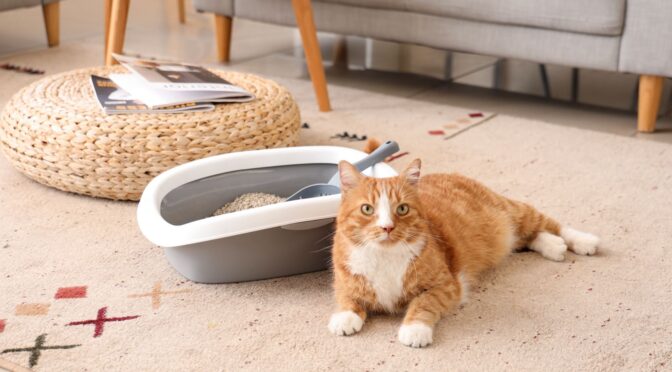
There is something wonderful about freshly cleaned carpets. The whole home feels lighter, calmer and more comfortable. The rooms smell better. The floors feel softer. You can walk barefoot without thinking twice. For a short moment, everything feels fresh again.
Then your pet has an accident.
Suddenly, that clean feeling disappears. The smell returns. The stain appears. The frustration builds. It can feel like all that effort, time and money has been wasted.
But here is the good news: pet accidents on clean carpets can often be prevented. It usually comes down to understanding why pets return to the same areas, removing odours properly, creating better routines and making the home easier for both people and pets to live in. This is exactly how you prevent pet accidents carpets long-term.
This is not about blaming your pet. Dogs and cats do not have accidents to annoy you. Most of the time, they are following scent, habit, stress, illness or confusion. Once you understand the cause, it becomes much easier to prevent the problem from happening again.
Why Pets Return to the Same Spot
Pets experience the world through smell much more than humans do. A carpet may look clean to you, but your pet may still smell old urine, faeces or bacteria deep inside the fibres. If that smell remains, your pet may think the area is still a toilet spot.
Even if your home feels like a fresh carpet after pets, your pet’s nose may disagree.
This is why surface cleaning often fails. You might remove the visible stain, but the deeper odour can remain in the carpet backing or underlay. Once that scent is there, it becomes like a little sign saying, “Go here again.”
That is why odour removal is just as important as stain removal. A clean-looking carpet is not always a truly clean carpet. To avoid new pet stains, the smell has to be removed at the source, not covered with perfume or air freshener.

Clean Quickly, But Clean Properly
When an accident happens, speed helps. The longer urine or waste sits in the carpet, the deeper it can travel. But rushing with the wrong product can make things worse.
The best first step is to blot the area gently with a clean towel. Do not rub, because rubbing can spread the stain and push it deeper into the carpet. After blotting, use a pet-safe enzyme cleaner designed for urine and organic stains. Enzyme cleaners work by breaking down the proteins that cause smells, which supports proper pet odour prevention.
Strong household cleaners are not always a good idea. Bleach, ammonia or heavily scented sprays can damage carpet fibres, leave chemical residue or confuse your pet’s nose. Some smells may even encourage pets to return to the same spot.
The goal is simple: remove the stain, remove the odour and remove the reason your pet wants to go back there.

Keep Pets Away Until the Carpet Is Dry
Freshly cleaned carpet needs time to dry properly. If your pet walks over the damp area too soon, they may be drawn back to the scent or texture. They may also leave paw marks, dirt or more moisture behind.
After cleaning, close the door, use a baby gate or place a temporary barrier around the area. If possible, keep the room well ventilated so the carpet dries faster. A fan can also help.
Once the area is fully dry, check for any remaining smell. If you can still smell something, your pet almost certainly can too. That means the area may need another clean before it is safe to open up again.
Change the Habit Loop
Pets often build habits around certain places. If your dog has used one corner of the lounge three times, that corner may now feel familiar. If your cat has marked one area of the hallway, they may keep returning to it. Understanding this is key for both dog accident prevention tips and cat accident prevention home strategies.
To break the habit, you need to change the meaning of the space. After cleaning, you can place furniture over the spot, move a pet bed there or make it part of a play area. Pets are less likely to toilet where they sleep, eat or relax.
This does not need to be forever. Sometimes a few weeks is enough to reset the behaviour. The main goal is to stop the automatic pattern.
Create a Clear Toilet Routine
Pets do better when they know what to expect. A clear routine helps reduce confusion and stress.
For dogs, regular toilet breaks are important, especially first thing in the morning, after meals, after naps and before bed. Puppies, older dogs and anxious dogs may need more frequent breaks.
For cats, the litter tray must be clean, easy to access and placed in a quiet area. Some cats avoid dirty trays. Others dislike certain litter types or covered trays. If a cat starts toileting on carpet, it may be worth checking whether the litter box setup is causing stress.
A pet that understands where to go is much less likely to make mistakes and helps reduce pet urine accidents over time.
Reward the Right Behaviour
Positive reinforcement works better than punishment. When your pet toilets in the right place, reward them straight away. This could be gentle praise, a treat or a calm pat.
Punishing a pet after an accident often makes things worse. They may not understand what they did wrong, especially if the accident happened earlier. Instead of learning, they may become anxious or hide future accidents.
The aim is to guide, not scare. A calm pet is usually easier to train than a stressed pet.

The Health Side of Pet Accidents
Pet accidents are not only about stains and smells. They can also affect the health of the home.
Urine and faeces can carry bacteria and create unpleasant odours. If left untreated, they can contribute to poor indoor air quality. This matters even more in homes with young children, elderly family members, people with asthma or anyone with allergies.
Carpets can also trap pet hair, dander and dust. When combined with moisture from accidents, the carpet can become a breeding ground for odour and bacteria.
Keeping clean carpets pets households rely on is essential for a healthier home. It reduces smells, allergens and hidden grime. It also makes the floor safer and more comfortable for children who sit, crawl or play on the carpet.
The Mental Load of a Smelly Carpet
A dirty or smelly carpet does not just affect the home. It affects your mind.
When you know there is a smell in the house, it can be hard to relax. You may worry when visitors come over. You may feel embarrassed, even when you love your pet and know accidents happen. You may constantly sniff the room, check the carpet or feel on edge.
That mental load is real. A home should feel like a place to rest, not another problem to manage.
Preventing repeat accidents gives you back a sense of control. It allows you to enjoy your pet without feeling frustrated every time they walk near the carpet. It also helps the home feel peaceful again.
How Clean Carpets Affect Mood
Fresh carpets can change the whole mood of a room. A clean home feels calmer. It feels more organised. It feels easier to breathe.
When carpets smell fresh, people often feel more comfortable sitting on the floor, playing with the kids or relaxing in the lounge. The home feels more welcoming.
On the other hand, lingering pet smells can make a room feel heavy and unpleasant. Even if everything else is tidy, one bad smell can make the whole space feel unclean.
This is why carpet care has such a strong emotional effect. It is not only about hygiene. It is about how the home feels when you walk through the door.
Family Harmony and Less Friction
Pet accidents can quietly create tension in a household. One person may feel they are always cleaning. Another may blame the pet. Children may step in the stain. Someone may become frustrated because the smell keeps coming back.
Over time, small issues can turn into daily arguments.
Preventing accidents helps reduce that pressure. When the home smells clean and routines are working, there is less stress for everyone. The pet feels safer. The family feels calmer. The home becomes easier to enjoy.
This is especially important for busy families. When life is already full of school, work, meals, washing and appointments, no one wants another carpet emergency added to the day.
Productivity Starts at Home
It may sound strange, but clean carpets can support better productivity.
When your home feels messy or smells unpleasant, it can be harder to focus. You may keep thinking about the stain instead of finishing your work. You may delay other tasks because the carpet problem feels urgent. If you work from home, the smell can affect your concentration and motivation.
A fresh, clean space helps your brain settle. It removes one more distraction from the day. You can focus on work, family, study or rest without constantly thinking about the floor.
A clean home does not magically solve every problem, but it does make daily life feel easier.
Protecting Your Carpet and Your Money
Carpets are expensive to replace. Pet accidents that are ignored or cleaned poorly can shorten the life of your carpet.
Urine can damage fibres, backing and underlay. Stains can become permanent. Odours can become trapped. In serious cases, the only option may be replacing the carpet or underlay.
Good prevention protects your investment and supports proper carpet protection pets need in everyday homes. Cleaning accidents properly, dealing with odours early and keeping up with regular maintenance can help your carpet last longer.
This is where carpet care connects to wealth. It may not feel like a financial decision at the moment, but preventing damage can save money over time. A well-maintained carpet also helps keep the home looking good, which matters for comfort, rental inspections, property value and everyday pride in your space.
When Accidents May Signal a Bigger Issue
If your pet suddenly starts having accidents after being toilet trained, pay attention. It may not be a behaviour problem.
Dogs and cats can have accidents because of illness, anxiety, ageing, pain or changes in routine. A urinary tract infection, bladder issue or digestive problem can cause sudden accidents. Older pets may struggle to hold on as long as they used to.
Stress can also play a role. Moving house, a new baby, another pet, loud noises or changes in the household can all affect behaviour.
If accidents become frequent or unusual, a vet check is a smart step. Cleaning the carpet is important, but solving the cause matters more.
The Emotional Bond With Your Pet
It is easy to feel angry when your pet ruins a clean carpet. That reaction is normal. But it helps to remember that your pet is not trying to create stress.
Pets rely on people for guidance, comfort and routine. If they are confused, anxious or unwell, accidents may be their way of showing something is wrong.
A calm response protects the bond between you and your pet. Instead of reacting with anger, focus on cleaning, redirecting and preventing. This keeps the relationship positive and helps your pet feel secure.
A secure pet is usually a better-behaved pet.
Simple Daily Habits That Help
Prevention becomes much easier when it is part of daily life.
Open doors for toilet breaks at regular times. Keep litter trays clean. Watch for signs your pet needs to go, such as sniffing, circling, pacing or scratching. Clean small accidents straight away. Vacuum often to remove hair, dirt and dander.
These habits help maintain clean carpets pets live on every day and stop small problems from becoming big ones.
Fresh carpets are not maintained by one big clean. They are protected by small, steady actions.
Why Smell Matters More Than You Think
Humans often judge cleanliness by what they can see. Pets judge by what they can smell.
This is why a carpet can look spotless but still attract accidents. If odour remains underneath, the problem may continue.
Air fresheners and scented sprays only cover smells. They do not remove the source. In some cases, they make the room smell like perfume mixed with urine, which is worse.
True freshness comes from removing the source of the odour. Once the smell is gone at a deeper level, your pet is less likely to see the area as a toilet zone.
Building a Home That Works for Everyone
A pet-friendly home does not need to be perfect. It needs to be practical.
Choose washable mats in high-risk areas. Keep cleaning supplies easy to reach. Use barriers when needed. Give pets clear access to outdoor areas or litter trays. Keep routines steady.
The goal is not to make your home look like no pet lives there. The goal is to create a home where pets and people can live comfortably together.
That means less stress, fewer smells, cleaner carpets and a happier household.
Final Thoughts
Freshly cleaned carpets can make a home feel peaceful, healthy and welcoming. But keeping them clean after pet accidents takes more than hope.
It starts with understanding your pet’s behaviour. It continues with proper odour removal, clear routines and simple prevention habits. It also means paying attention to health, stress and changes in your pet’s behaviour.
Clean carpets improve more than the look of your home. They support better mood, less stress, healthier air, stronger family harmony, better focus and long-term savings.
Your pet can be loved, your home can smell fresh and your carpets can stay cleaner for longer. With the right approach, you do not have to choose between a happy pet and a clean home.
Need help with pet stains or odours? Call 03 8583 9106, email petstainremovertoday@gmail.com, or visit petstainremover.com.au today.
Key Takeaways
- Pets often return to the same carpet spot because they can still smell old odours.
- Proper odour removal is just as important as stain removal.
- Enzyme-based cleaners help break down pet urine and organic stains at the source.
- Keeping pets away from damp carpet helps prevent repeat accidents.
- Clear toilet routines can reduce confusion, stress and indoor accidents.
- Rewarding good behaviour works better than punishment.
- Clean carpets support better health, mood, comfort and family harmony.
- Regular vacuuming, quick spot cleaning and deep cleaning help protect carpets for longer.
- Sudden new accidents may be a sign of stress, ageing or a health issue.
- A fresh, clean home helps pets and people live together more comfortably.
Case Study 1: “We Cleaned It Three Times… But the Smell Kept Coming Back”
Sarah lives in a busy family home with two young kids and a Labrador named Max. After investing in a professional clean, she was excited to finally enjoy a fresh carpet after pets. For a few days, everything felt perfect — until Max went back to the exact same spot.
“I couldn’t understand it,” she said. “The carpet looked spotless, but he kept going there like nothing had changed.”
What Sarah didn’t realise was that while the stain was gone, the odour wasn’t fully removed. Like many pet owners, she had unknowingly fallen into the trap of surface cleaning. The smell deep in the fibres was still there, and Max’s nose picked it up immediately.
After learning how to properly prevent pet accidents carpets, Sarah switched to enzyme-based treatments focused on true pet odour prevention. The difference was immediate. Once the smell was gone at its source, Max stopped returning to that area.
She also made small changes at home to avoid new pet stains. Furniture was moved to break the habit loop, and Max was guided to a consistent outdoor routine. Over time, accidents became less frequent, helping to reduce pet urine accidents completely.
“Now the house actually feels clean, not just looks clean,” she said. “And I’m not constantly stressing about it anymore.”
This experience showed how proper cleaning and routine changes work together to maintain clean carpets pets live on daily — without the frustration of repeat accidents.
Case Study 2: “Our Cat Started Using the Carpet Overnight”
James and Emily noticed a sudden change in their cat Luna. After years of perfect litter habits, she began urinating on the bedroom carpet. They cleaned it quickly each time, but the problem kept coming back.
“It felt like we were doing everything right, but nothing worked,” Emily said. “The smell would fade, then come back again.”
This situation is more common than people think. Luna had created a new association with that spot, and without proper carpet protection pets need, the odour remained beneath the surface.
To solve the issue, they focused on a full reset. The affected area was treated using professional methods designed for deep clean carpets pets environments require. This ensured proper pet odour prevention, removing the scent completely.
At the same time, they reviewed their home setup using simple cat accident prevention home strategies. The litter tray was moved to a quieter space, cleaned more frequently, and upgraded to a more suitable type. Stress triggers were reduced, and Luna’s routine became more predictable.
These changes worked together to avoid new pet stains and rebuild good habits. Within weeks, Luna stopped using the carpet entirely.
“It was such a relief,” James said. “Not just because the smell was gone, but because the house felt calm again.”
Their experience highlights how combining behaviour changes with proper cleaning techniques helps maintain clean carpets pets share with families — while restoring comfort, hygiene and peace of mind.
FAQs



