
 SMS/Fast Response: +61 468 089 155
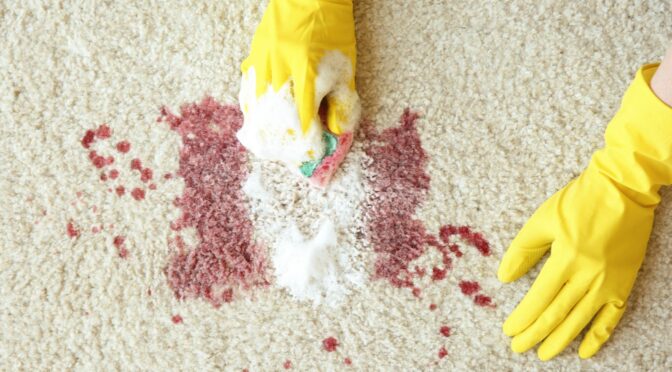
DIY pet stain cleaning mistakes often fail to remove pet urine odours because the liquid seeps deep into carpets, underlay, and flooring, leaving uric acid crystals and bacteria behind. Household solutions like vinegar or baking soda may mask smells temporarily but don’t neutralise the source. Persistent odours can affect health, mood, productivity, family life, and even finances. Effective pet stain removal with enzymatic cleaners and professional-grade treatments breaks down urine compounds at their source, keeping your home fresh, healthy, and comfortable.
Pet accidents happen. Even the most well-trained dog or cat can sometimes have a slip-up. At first glance, it might just look like a little stain on the carpet or floor, but if you’ve ever tried cleaning it yourself, you know the smell can linger no matter how many sprays, scrubs, or home remedies you use. It can be frustrating, exhausting, and sometimes even overwhelming. But why does DIY cleaning often fail, and what actually works? Let’s explore.
Why Pet Urine Odour Is So Stubborn
Pet urine isn’t just liquid waste. It’s made up of a complex mixture of water, proteins, bacteria, and uric acid crystals. When a pet urinates on your carpet, floorboards, or upholstery, the liquid seeps deep into fibres, underlay, and even subfloors. This is where DIY pet stain cleaning mistakes often fall short — they usually tackle only the visible surface, leaving the deeper layers untouched.
Even if you wipe up the mess quickly, the uric acid crystals can remain. These crystals are resistant to water and regular household cleaners. Over time, this explains why pet urine stains return, particularly when the temperature rises or humidity changes.
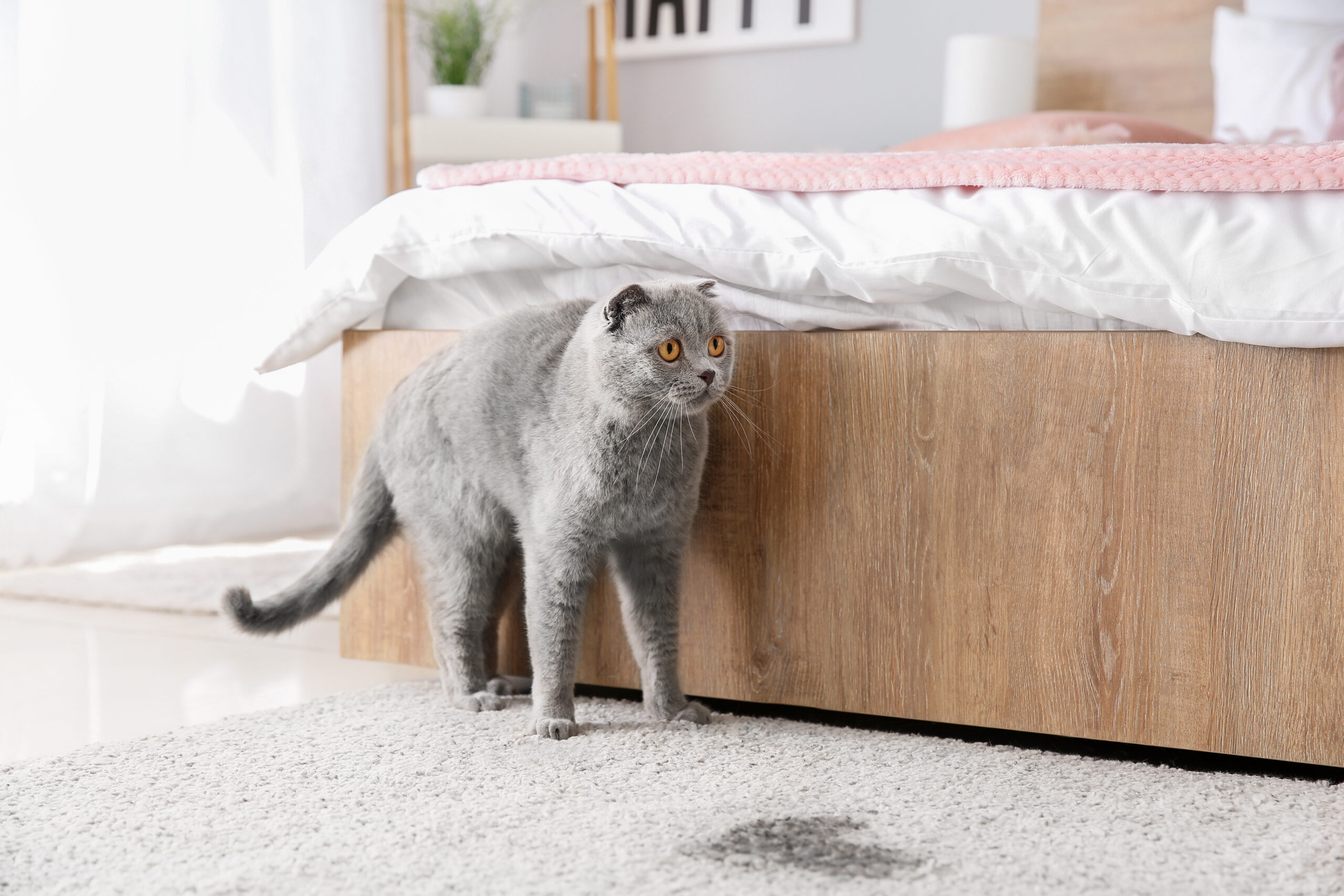
The Common DIY Mistakes
Many pet owners turn to household solutions like vinegar, baking soda, or detergent. While these can temporarily mask the smell or clean the surface, they don’t neutralise the underlying compounds. Here are some common DIY pet stain cleaning mistakes:
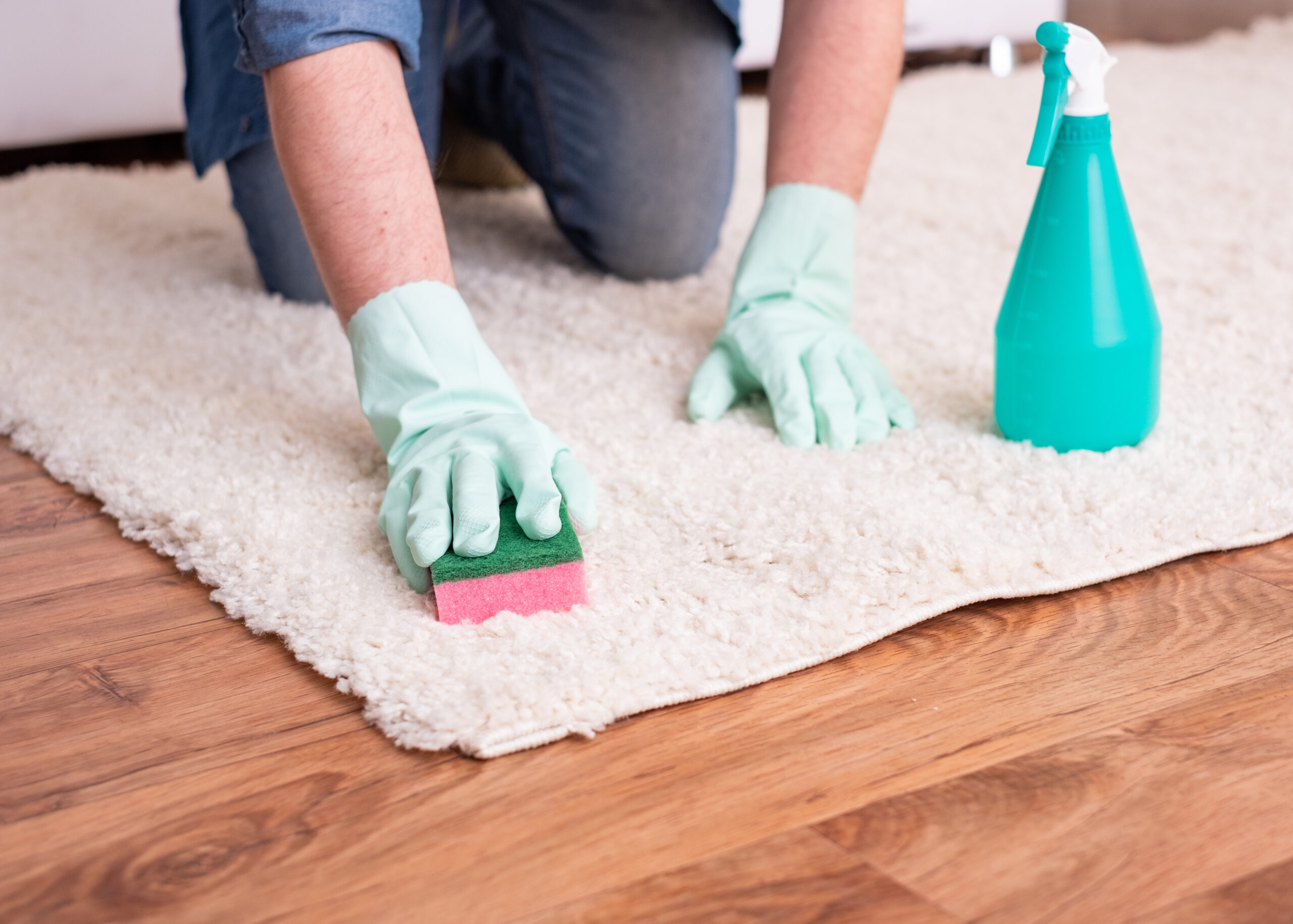
- Using too much liquid: Over-soaking the area can push urine deeper into the fibres, making the problem worse.
- Scrubbing aggressively: This can spread the mess and damage carpet fibres.
- Masking the odour: Scented cleaners might make the area smell fresh for a while, but they don’t remove uric acid crystals.
- Neglecting hidden areas: Urine can seep under baseboards, furniture, and carpet padding, which DIY methods often miss.
These mistakes are not just frustrating — they can also affect your health, mood, and household environment in ways you might not realise. If you want pet odour cleaning tips, it’s important to understand the limits of household solutions.
Health Impacts of Lingering Pet Urine
Lingering pet urine isn’t just unpleasant; it can have health consequences. Urine contains bacteria and ammonia, which can irritate the respiratory system. This can be particularly problematic for children, elderly family members, or anyone with asthma or allergies.
Imagine trying to relax in a living room where the faint smell of old pet urine lingers. You might not even notice it consciously, but it can subtly affect your breathing and overall well-being. Over time, constant exposure to ammonia fumes can lead to headaches, nausea, or even sleep disturbances.
Emotional and Mental Effects
Living with persistent pet odours can also affect your emotional state. A home that smells of old urine can make you feel anxious, stressed, or embarrassed — especially when visitors come over. Even a small, unnoticed smell can create subconscious stress, lowering your mood and overall satisfaction with your home environment.
Trying to tackle the problem yourself can also lead to frustration. Spending hours scrubbing, washing, and re-cleaning without seeing results can be exhausting and demoralising. It can even affect your relationships with family members, as tensions rise over ongoing chores. Knowing pet odour cleaning tips can reduce this stress.
Impact on Family Life
When pet odours persist, it can affect your family in subtle ways. Children may avoid certain rooms, pets may continue to return to the same spot, and family members may feel frustrated at repeated cleaning attempts. A home is meant to be a safe, comfortable, and pleasant environment, and lingering smells compromise that.
Moreover, if you’re hosting friends or relatives, the odour can be embarrassing. It can also make your home feel less inviting or relaxing. A clean, odour-free environment contributes not just to comfort, but also to better family interactions and mood overall. Using pet mess cleaning solutions properly can make a big difference.
Productivity and Well-being
A home with persistent pet odour can subtly affect your productivity. Think about it: if you’re distracted by smells in your home office or living area, it’s harder to focus. Stress from a persistent cleaning problem can also spill over into other areas of life, reducing mental clarity and energy.
On the other hand, a fresh, clean environment supports well-being, calmness, and focus. When you don’t have to constantly worry about pet odour, you free up mental space for more important tasks, whether it’s work, hobbies, or quality time with family. That’s why learning how to clean pet urine properly is critical for overall well-being.
Financial Considerations
DIY cleaning may seem cheaper, but repeated attempts and wasted cleaning products can actually cost more over time. Ineffective cleaning can also damage carpets, upholstery, and floors, leading to replacement costs. In contrast, investing in effective pet stain removal can save money in the long run.
Professional-grade treatments or enzyme-based cleaners may seem more expensive initially, but they address the root of the problem. By removing the urine compounds completely, they prevent recurring odours, saving you repeated cleaning attempts and potential repairs. Understanding professional vs DIY pet stain removal helps you make smarter choices financially.
What Actually Works: Enzymatic Cleaners
The most effective solution for pet urine odour is enzymatic cleaners. These cleaners contain natural enzymes that digest the organic matter in urine, including uric acid crystals, bacteria, and proteins. Unlike DIY methods, enzymatic cleaners neutralise the odour at its source, rather than just masking it.
For older or deeply set stains, professional treatments often combine enzymatic cleaning with extraction. This method ensures the urine is physically removed from carpets, underlay, and flooring, leaving your home truly fresh. They also provide cat urine carpet solutions and dog urine carpet cleaning options specifically designed for each type of pet accident.
Benefits Beyond Cleanliness
Using effective cleaning methods goes beyond just removing odour:
- Healthier environment: Reduces bacteria, ammonia, and allergens.
- Improved mood: A fresh-smelling home can lift spirits and reduce stress.
- Better family life: Comfortable spaces encourage positive interactions.
- Increased productivity: Less distraction from odours allows better focus.
- Financial savings: Protects your home and avoids repeated cleaning costs.
By addressing the problem properly, you’re investing in your home, your family’s comfort, and your own well-being. With pet odour removal methods and pet mess cleaning solutions that actually work, you’re creating a healthier and happier home.
Pet accidents happen, but living with persistent odours doesn’t have to. By understanding DIY pet stain cleaning mistakes, why pet urine stains return, and how to clean pet urine properly, you can protect your home, your health, and your peace of mind. A clean, odour-free home is more than just pleasant — it’s healthier, happier, and more productive for everyone who lives there.
Need help tackling stubborn pet stains and odours? Don’t waste time on ineffective DIY methods. Call us today at 03 8583 9106, email petstainremovertoday@gmail.com, or visit petstainremover.com.au to get professional, effective pet stain removal solutions.
Key Takeaways
- DIY cleaning often fails because pet urine soaks deep into carpets, underlay, and flooring.
- Household solutions like vinegar or baking soda may mask odours but don’t neutralise uric acid crystals.
- Persistent odours can affect health, mood, family life, productivity, and finances.
- Enzymatic cleaners effectively break down urine compounds at the source, rather than just masking the smell.
- Professional treatments or deep cleaning ensure complete removal of stains and odours.
- Effective pet stain removal protects your home, improves well-being, and creates a fresher, healthier environment.
Case Study 1: Sarah’s Struggle with Persistent Cat Urine Odours
Background:
Sarah, a Melbourne resident, owns two cats. Despite her best efforts with DIY methods, her home continued to smell of cat urine. She had tried vinegar, baking soda, and several store-bought sprays, but the odour always returned. She was frustrated and embarrassed, particularly when hosting friends and family.
Problem:
Sarah’s main issues were DIY pet stain cleaning mistakes and why pet urine stains return. She was scrubbing her carpet aggressively, over-soaking areas, and relying on scented cleaners. The result? Urine had soaked deep into her carpet and underlay, and the uric acid crystals were still intact.
Solution:
Sarah decided to try effective pet stain removal using enzyme-based cleaners. The process included:
- Identifying all affected areas, including hidden spots.
- Applying enzymatic cleaners specifically designed for cat urine carpet solutions.
- Allowing enzymes to break down uric acid crystals and neutralise odours at the source.
- Combining this with professional deep extraction to physically remove the urine residues.
Results:
- The persistent odour was completely removed, even in previously treated areas.
- Sarah noticed her home felt fresher, improving her mood and reducing stress.
- Family and friends could visit without noticing any smell, improving her emotional well-being.
- Sarah learned proper pet odour cleaning tips, avoiding further DIY pet stain cleaning mistakes.
Conclusion:
By addressing how to clean pet urine properly, Sarah finally eliminated the source of odours, protecting her family’s health and comfort. This case highlights the importance of professional vs DIY pet stain removal for lasting results.
Case Study 2: Tom’s Dog Urine Carpet Challenge
Background:
Tom, a busy professional in Sydney, had a playful Labrador who often had indoor accidents. He initially tried DIY methods and common pet mess cleaning solutions, but the odour kept returning.
Problem:
Tom struggled with dog urine carpet cleaning because DIY approaches were insufficient. Over-soaking and scrubbing pushed urine deeper into the carpet fibres. He was also frustrated with the recurring smell, which affected his productivity, mood, and overall well-being.
Solution:
Tom switched to effective pet stain removal techniques:
- Conducted a full assessment of affected carpets and underlay.
- Applied enzymatic cleaners that targeted the uric acid and bacteria.
- Followed a systematic deep cleaning schedule to ensure all residues were removed.
- Implemented pet odour removal methods recommended by professionals to prevent recurrence.
Results:
- The dog urine odour was fully neutralised, even in older stains.
- Tom noticed improvements in mental clarity and mood, as the persistent odour no longer distracted him.
- His home environment became healthier and more inviting for family and guests.
- He avoided costly carpet replacement thanks to targeted professional-grade treatment.
Conclusion:
This case demonstrates that how to clean pet urine properly requires more than DIY sprays. Using enzymatic cleaners and professional-grade cat and dog urine carpet solutions ensures long-lasting results and significantly improves the home’s environment, health, and emotional well-being.



