
 SMS/Fast Response: +61 468 089 155
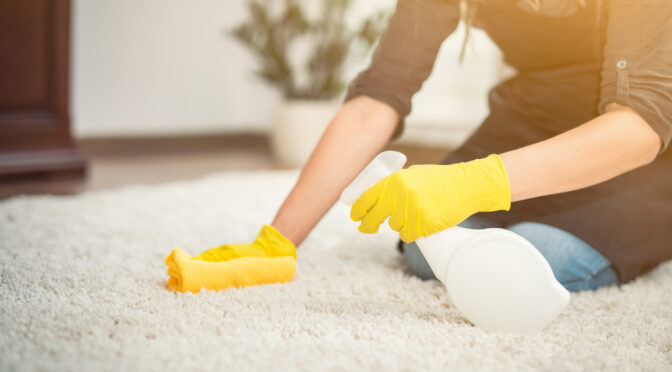
Pet stains are not the same as everyday spills, and cleaning them the wrong way often makes the problem worse. Common pet stain cleaning mistakes like scrubbing, using household cleaners, soaking carpets, or waiting too long can push stains deeper, trap odours, and even affect health, mood, and family comfort. Proper blotting, understanding how pet stains work, and acting early can protect your home, improve wellbeing, reduce stress, and save money in the long run.
Living with pets is one of life’s great joys. They bring comfort, companionship, laughter, and a sense of family. But let’s be honest — pet stains are part of the deal. Whether it’s a puppy still learning, an older pet having accidents, or a stressed animal reacting to change, stains happen.
The problem isn’t the accident itself. The real trouble starts with mistakes when cleaning pet urine and other pet-related messes.
Many homes struggle with lingering smells, discoloured carpets, repeated marking, and frustration — not because the stain was impossible to remove, but because wrong ways to remove pet stains were used early on.
This article breaks down those mistakes in simple terms and explains why they matter, not just for cleanliness, but for health, wellbeing, family harmony, mental load, productivity, and even long-term household costs.
Why Pet Stains Are Different from Normal Messes
A lot of people treat pet stains like spilled juice or muddy shoes. That’s the first big misunderstanding and one of the most common carpet cleaning errors pets cause without realising it.
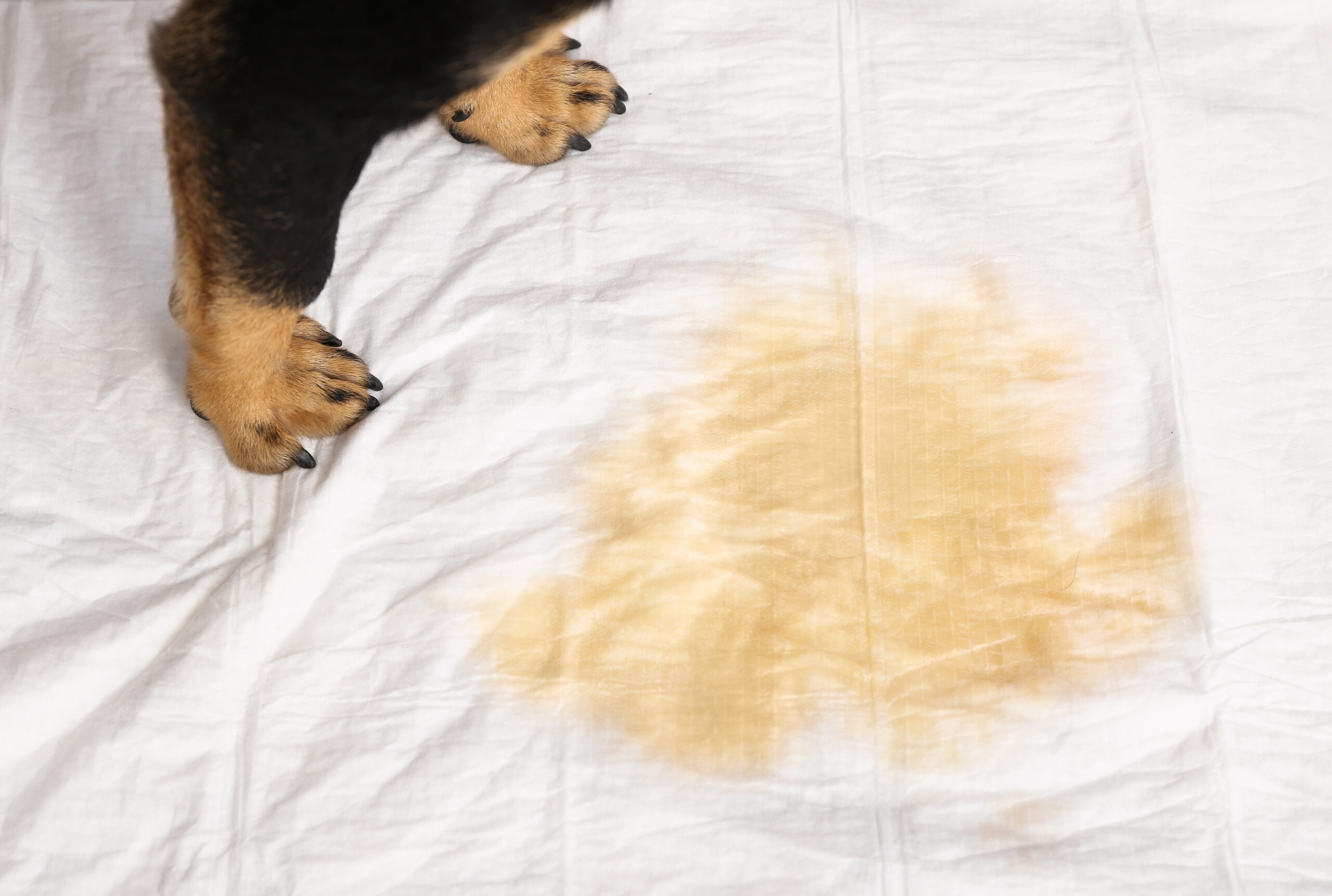
Pet urine, vomit, and faeces are organic stains. That means they contain proteins, bacteria, and waste compounds that behave very differently from food spills.
Pet urine in particular:
- Soaks quickly into carpet fibres
- Moves downward into the underlay and subfloor
- Leaves behind crystals that re-activate with moisture
- Continues to smell even when the surface looks clean
This is why a carpet can look fine but still smell — especially on warm days or when humidity rises. These lingering smells are often the result of hidden pet odour mistakes made during early cleaning.
Common Cleaning Mistake #1: Scrubbing Instead of Blotting
When a pet accident happens, the natural reaction is panic — grab a paper towel, scrub hard, and hope for the best.
Unfortunately, scrubbing causes three problems:
- It pushes the stain deeper into the carpet
- It spreads the stain wider
- It damages carpet fibres
Scrubbing doesn’t remove liquid. It drives it down — one of the most frequent dog urine cleaning fails seen in family homes.
The correct approach is slow blotting:
- Press gently
- Absorb from the outside toward the centre
- Use clean, dry cloths
- Replace cloths as they become wet
This simple step is one of the most effective pet stain removal tips available.
Common Cleaning Mistake #2: Using Household Cleaners
Many homes reach for whatever is under the sink — disinfectant spray, vinegar, bleach, or laundry detergent.
These products might smell clean, but they often:
- Kill surface bacteria only
- Leave residue behind
- React badly with urine compounds
- Mask odours instead of removing them
Some chemicals can even lock the smell in, especially ammonia-based cleaners. Ammonia smells similar to urine, which can encourage pets to mark the same spot again — a classic cause of cat urine carpet mistakes.
This creates a frustrating cycle:
Clean → smells better briefly → smell returns → pet re-marks → problem worsens.
The Health Impact of Improper Pet Stain Cleaning
Pet stains don’t just affect how a home smells. They affect health — especially in homes with children, elderly family members, or anyone with allergies or asthma.
Improperly cleaned pet stains can:
- Harbour bacteria
- Release airborne particles
- Trigger allergies
- Affect respiratory health
- Increase exposure to pathogens
These issues are often overlooked when people don’t avoid pet stain cleaning errors early on.
The Mental and Emotional Toll of Lingering Pet Stains
Smell is deeply connected to emotion and memory.
When a home smells unpleasant:
- Relaxation becomes harder
- Guests feel stressful instead of welcome
- Embarrassment creeps in
- Mental load increases
Many people feel stuck in a loop of:
“I clean and clean, but it never feels right.”
That feeling is often the result of repeated pet odour mistakes, not a lack of effort.
Family Life and Social Impact
Pet stains don’t exist in isolation. They affect how people live in their homes.
Common outcomes include:
- Avoiding having friends over
- Stress before visitors arrive
- Rushing to mask smells
- Family tension over cleanliness
In shared households, unresolved stains caused by carpet cleaning errors pets can lead to arguments and resentment.
Common Cleaning Mistake #3: Over-Soaking the Area
Another common mistake is using too much liquid.
Pouring water or cleaner onto a stain might seem helpful, but it often:
- Pushes urine deeper
- Spreads contamination into underlay
- Causes slow drying
- Encourages mould growth
This is one of the most damaging wrong ways to remove pet stains, especially for carpeted homes.
Why Old Pet Stains Are Harder to Remove
Time changes everything.
As pet stains dry:
- Urine crystals bond with fibres
- Bacteria multiply
- Odours intensify when re-activated by moisture
Old stains are often the result of early mistakes when cleaning pet urine that seemed minor at the time.
Productivity and Focus at Home
Lingering odours and visible stains caused by dog urine cleaning fails or repeated cat urine carpet mistakes can quietly affect concentration, mood, and motivation — especially for people working from home.
Mood, Comfort, and Wellbeing
A home free from persistent pet odours:
- Feels calmer
- Feels lighter
- Encourages relaxation
- Improves sleep quality
Good carpet care with pets plays a big role in creating a home that supports wellbeing.
Common Cleaning Mistake #4: Ignoring the Area After Cleaning
Many people clean a stain once and move on.
But pet stains often need monitoring and follow-up. Ignoring early signs is another of the most common pet odour mistakes.
The Financial Cost of Cleaning Mistakes
Repeated common pet stain cleaning mistakes can lead to permanent carpet damage, reduced property appeal, and costly replacements — all avoidable with better early decisions.
Understanding Why Pets Re-Mark Areas
If urine odour remains, pets may continue to mark the same area. This behaviour is often blamed on training, but the real issue is unresolved scent caused by carpet cleaning errors pets.
Common Cleaning Mistake #5: Waiting Too Long to Act
Time matters.
The longer a stain sits, the harder it becomes to remove. Acting early helps avoid pet stain cleaning errors that turn small problems into long-term ones.
A Simple Mindset Shift That Helps
Instead of asking:
“How do I make this look clean?”
Ask:
“How do I remove what’s causing the problem?”
This mindset leads to better pet stain removal tips being applied from the start.
Final Thoughts: Clean Homes Support Better Lives
Pet stains are normal. Cleaning mistakes are common. Ongoing frustration doesn’t have to be.
Understanding wrong ways to remove pet stains — and choosing better methods — protects health, supports family wellbeing, improves mood, and saves money.
Good carpet care with pets isn’t about perfection. It’s about creating a home where people and animals can live comfortably together.
And often, that starts by learning the truth about the small mistakes that make big problems.
If pet stains or lingering odours are still causing trouble, getting the right advice early can make all the difference. For guidance or support, call 03 8583 9106, email petstainremovertoday@gmail.com, or visit petstainremover.com.au to learn more.
Key Takeaways
- Pet stains are different from everyday spills and need to be handled differently.
- Scrubbing spreads pet stains deeper; gentle blotting works far better.
- Household cleaners often mask smells instead of removing what causes them.
- Using too much liquid can push urine into underlay and create long-term odour issues.
- Pet stains that look clean can still affect health, mood, and comfort.
- Lingering odours can cause pets to re-mark the same areas.
- Early action helps prevent permanent carpet damage and costly replacements.
- Proper pet stain care supports a healthier, calmer home for the whole family.
Case Study 1: When “Clean Enough” Wasn’t Actually Clean
Background
Sarah lives in a Melbourne townhouse with her partner, two young children, and a rescue dog. After a few early accidents during toilet training, she cleaned the carpet using paper towels and household spray. The stain disappeared, so she assumed the problem was solved.
The Problem
Within weeks, the smell returned — especially on warm days. The dog began peeing in the same spot again. Sarah tried harder: scrubbing, soaking the carpet, even using vinegar. Each attempt made the area smell clean for a day or two, then worse than before.
What Sarah didn’t realise was that she was repeating several common pet stain cleaning mistakes. The scrubbing pushed urine deeper, and over-wetting spread it into the underlay. These mistakes when cleaning pet urine turned a small accident into a long-term issue.
The Impact
- Ongoing stress and embarrassment when visitors came over
- Kids avoiding sitting on the carpet
- Frustration and confusion about repeated accidents
- Growing anxiety about replacing the carpet
This was a textbook example of dog urine cleaning fails caused by wrong ways to remove pet stains.
The Lesson
The stain wasn’t on the surface anymore — it was underneath. Household products masked odour temporarily but didn’t break down urine compounds. The lingering smell kept triggering repeat marking, a classic result of pet odour mistakes.
Case Study 2: The Invisible Problem in a Calm, Quiet Home
Background
Michael lives alone with his senior cat in a carpeted apartment. When the cat began having accidents due to age-related issues, Michael cleaned each incident carefully — or so he thought.
The Problem
Even after cleaning, the apartment never felt fresh. The smell was faint but constant. Friends noticed it before he did. Michael assumed this was “just part of owning a pet” and kept cleaning the same way.
In reality, he was dealing with repeated cat urine carpet mistakes and subtle carpet cleaning errors pets often cause when urine reaches the underlay.
The Impact
- Reduced confidence inviting people over
- Constant background stress
- Difficulty relaxing at home
- Feeling overwhelmed and discouraged
The smell affected his mood and sense of comfort. What should have been a peaceful home became mentally draining.
What Went Wrong
Michael unknowingly over-soaked the carpet each time, pushing urine deeper. He relied on strong-smelling cleaners that masked odour instead of removing it — one of the most common pet odour mistakes.
Because the surface looked clean, the deeper issue went untreated.
The Lesson
Proper carpet care with pets means addressing what can’t be seen. Repeated DIY cleaning without understanding urine behaviour often leads to hidden damage and emotional fatigue.



