
 SMS/Fast Response: +61 468 089 155
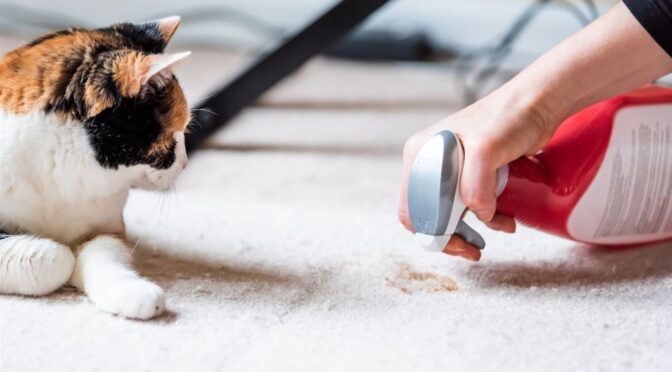
Many common cleaning products can irritate or harm pets, even if they seem safe for humans. Strong chemicals like bleach, chlorine, and ammonia may affect a pet’s breathing, skin, and stomach, while certain ingredients and essential oils can trigger unexpected reactions. Pets are more sensitive because they are closer to surfaces and constantly groom themselves. Safer cleaning starts with recognising unsafe pet cleaning products, reading labels carefully, choosing options designed for safe carpet cleaning pets, storing products securely, ventilating rooms, and allowing surfaces to dry fully before pets return. Small changes in cleaning habits can help protect your pet’s health, comfort, and overall wellbeing.
Living with pets changes the way a home feels. There is more warmth, more movement, and usually a bit more mess. Paw prints, fur, the occasional accident — these are simply part of sharing life with animals. What many people do not realise, however, is that pets also change the way cleaning should be approached. Products that feel ordinary and harmless to humans can sometimes create real problems for dogs and cats. Understanding what to avoid is not about being overly cautious. It is about protecting the health, comfort, and overall wellbeing of every member of the household — including the four-legged ones.
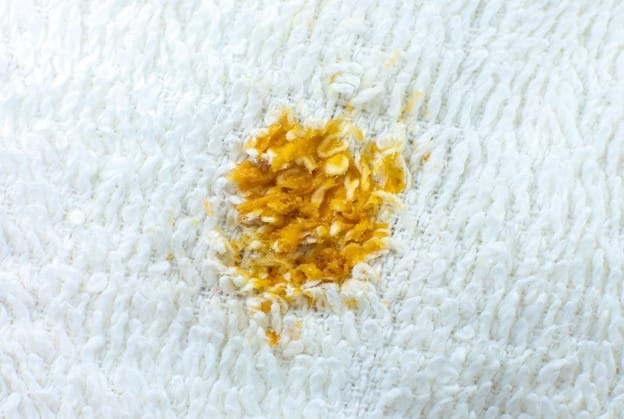
Many common cleaning products can irritate or harm pets, even if they seem safe for humans. Strong chemicals like bleach, chlorine, and ammonia may affect a pet’s breathing, skin, and stomach, while certain ingredients and essential oils can trigger unexpected reactions. Pets are more sensitive because they are closer to surfaces and constantly groom themselves. Safer cleaning starts with recognising unsafe pet cleaning products, reading labels carefully, choosing options designed for safe carpet cleaning pets, storing products securely, ventilating rooms, and allowing surfaces to dry fully before pets return. Small changes in cleaning habits can help protect your pet’s health, comfort, and overall wellbeing.
Living with pets changes the way a home feels. There is more warmth, more movement, and usually a bit more mess. Paw prints, fur, the occasional accident — these are simply part of sharing life with animals. What many people do not realise, however, is that pets also change the way cleaning should be approached. Products that feel ordinary and harmless to humans can sometimes create real problems for dogs and cats. Understanding what to avoid is not about being overly cautious. It is about protecting the health, comfort, and overall wellbeing of every member of the household — including the four-legged ones.
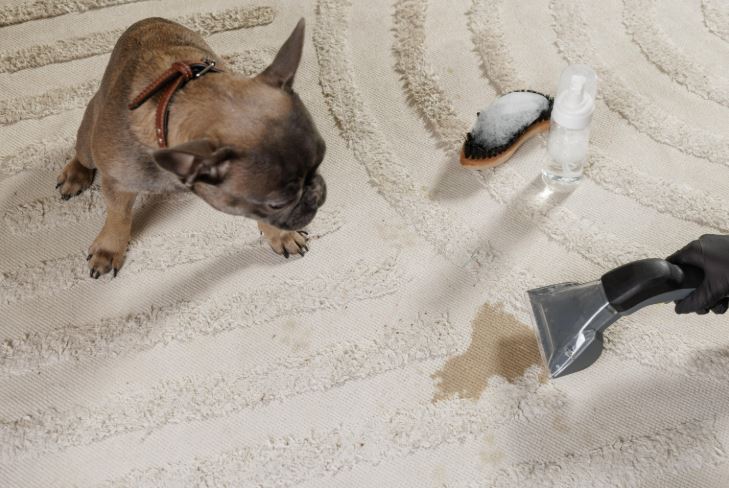
Pets experience the home very differently from humans. A dog’s nose is dramatically more sensitive than ours. A cat spends hours grooming its fur. Both animals spend much of their time close to the floor, in constant contact with carpets, tiles, and fabrics. Because of this, residues, fumes, and chemicals that barely register for humans can have a far greater impact on animals. Something as simple as a freshly cleaned surface can become a source of irritation if the wrong product has been used, particularly when using toxic cleaners pets are commonly exposed to.
One of the most commonly misunderstood cleaning agents is bleach. Bleach is widely known for its disinfecting power, and many households rely on it for bathrooms, kitchens, and floors. Yet bleach is a strong chemical. Its fumes can irritate the respiratory system, especially in enclosed spaces. Pets exposed to bleach may show signs of discomfort such as sneezing, coughing, watery eyes, or excessive drooling. The greater concern often comes from residues. Pets walk across treated surfaces, then lick their paws during grooming. Even small amounts ingested over time can lead to stomach upset or irritation. This is why many pet owners actively avoid chemicals pets may react to.
Chlorine-based cleaners present similar challenges. While effective at killing germs, these products can leave behind vapours that linger longer than expected. Humans may quickly become accustomed to the smell, but pets continue to experience it intensely. For animals with existing sensitivities or respiratory conditions, strong chemical odours can be particularly stressful. A cleaning routine intended to create a healthier environment may unintentionally reduce comfort for the very animals it aims to protect.
Ammonia is another ingredient worth careful consideration. Found in many glass cleaners, degreasers, and speciality products, ammonia produces a sharp, penetrating scent. Inhalation of concentrated vapours can irritate a pet’s nose, throat, and lungs. In addition, ammonia’s odour can sometimes confuse animals. Because ammonia has similarities to compounds found in urine, its presence may encourage repeat marking behaviours in certain pets. This can create a frustrating cycle where cleaning efforts unintentionally contribute to the problem they were meant to solve.
Many modern cleaning products rely on surfactants and solvents to break down dirt and grease. While these ingredients play a useful role, certain compounds can be problematic for animals. Phenols, for example, are present in some disinfectants and can be particularly harmful to cats, whose bodies process chemicals differently from dogs and humans. Exposure may lead to lethargy, vomiting, or skin irritation. Quaternary ammonium compounds, often used for their antimicrobial properties, can also cause reactions in sensitive pets. Choosing pet-friendly cleaning solutions becomes important in these situations.
Even products marketed as gentle or natural deserve attention. Essential oils are a good example. Tea tree, eucalyptus, citrus, and peppermint oils are popular in many “green” cleaning solutions. Although plant-derived, these substances are not automatically safe for pets. Cats, in particular, are sensitive to certain oils due to differences in liver metabolism. Diffused vapours or direct contact may trigger symptoms ranging from mild discomfort to more serious reactions. The label “natural” should never replace informed decision-making, even when exploring natural pet stain removal approaches.
Laundry and dishwasher detergents are everyday items that rarely attract concern, yet they also warrant care. Concentrated pods and tablets contain powerful agents designed to dissolve grease and stains. If chewed or ingested by a curious pet, these products can cause significant irritation or injury. Proper storage becomes just as important as product selection. Preventing access eliminates risk before it arises.
Beyond physical health, cleaning choices influence a pet’s mental and emotional state. Animals thrive on familiarity. Strong chemical smells can disrupt their sense of safety, particularly for anxious or sensitive pets. A dog that suddenly avoids a room or a cat that becomes restless may be reacting to environmental changes humans barely notice. Maintaining a comfortable home environment involves recognising that scent, texture, and air quality matter deeply to animals. Using a dog-safe carpet cleaner or considering cat-safe upholstery cleaning methods can reduce these disruptions.
The emotional impact extends to humans as well. Few experiences are as distressing as seeing a beloved pet unwell. Preventable reactions to cleaning products can create guilt and worry. Families may face unexpected veterinary visits, financial strain, and emotional stress. Choosing safer cleaning approaches is not merely a technical decision. It contributes to peace of mind and a sense of control over the household environment.
Cleaning routines also affect family dynamics. Pets are integral parts of many families, and their wellbeing influences the mood of the home. A comfortable, healthy animal encourages harmony. Conversely, repeated health scares or behavioural disruptions linked to environmental irritants can create tension. Thoughtful product choices help sustain a calm, supportive household atmosphere.
Productivity and daily comfort are subtly connected to these considerations. Homes should feel inviting and easy to maintain. Overly harsh products may require extended ventilation, restricted pet access, and additional precautions. Gentler alternatives often simplify routines. When cleaning becomes straightforward and stress-free, it supports smoother daily schedules and reduces mental load. Selecting a pet-safe stain remover or a non-toxic pet odour remover can make routine maintenance easier.
Wellbeing is ultimately about balance. A clean home is valuable, but cleanliness should not come at the cost of safety. Effective cleaning does not require aggressive chemicals in every situation. Many tasks can be handled using milder solutions combined with consistent habits. Regular maintenance, prompt attention to spills, and appropriate ventilation contribute significantly to results without introducing unnecessary risks. This is particularly relevant when choosing pet-friendly cleaning solutions for everyday use.
Financial wellbeing is another often overlooked angle. Veterinary care can be expensive, particularly for toxin exposures or chemical sensitivities. Preventative choices are frequently more economical than reactive solutions. Investing in safer alternatives, including products designed for safe carpet cleaning pets, reduces the likelihood of costly emergencies. Small decisions made during routine cleaning can have long-term financial implications.
Creating a pet-friendly cleaning environment begins with awareness. Reading labels, understanding ingredients, and recognising that marketing language can be misleading are all essential steps. Clear storage, controlled usage, and adequate drying times further enhance safety. Keeping pets away from freshly treated surfaces until completely dry minimises contact with residues.
Ventilation deserves special emphasis. Fresh air helps disperse vapours and maintain comfort for both pets and humans. Simple actions such as opening windows during and after cleaning can significantly improve indoor air quality. These habits require minimal effort yet offer meaningful benefits.
Consistency matters as much as product choice. Frequent light cleaning often reduces the need for strong agents. Addressing messes early prevents build-up, which in turn limits reliance on heavy-duty chemicals. This approach aligns naturally with a healthier, more manageable household routine, especially when practising natural pet stain removal where possible.
Observing pets provides valuable feedback. Changes in behaviour, appetite, or comfort may signal environmental sensitivities. Paying attention to these cues allows adjustments before minor issues escalate. Pets cannot describe discomfort verbally, but their actions communicate clearly when something feels wrong.
Ultimately, safe cleaning in a pet household is not about perfection or fear. It is about thoughtful decision-making and respect for how animals interact with their environment. A home should feel clean, calm, and comfortable for everyone who lives there. By understanding which products to avoid and why those choices matter, households can support healthier pets, reduced stress, improved harmony, and greater overall wellbeing.
Cleanliness and safety are not opposing goals. When approached with care and awareness, they work together. A home that protects the health and comfort of its pets also protects the emotional and physical wellbeing of the family. In this way, smarter cleaning becomes more than a routine task. It becomes a quiet but powerful contributor to a happier, more balanced home life.
Concerned about stains or odours but want to keep your pets safe? Speak with a specialist in pet-friendly cleaning today.
Phone: 03 8583 9106
Email: petstainremovertoday@gmail.com
Website: petstainremover.com.au
Key Takeaways
- Pets are more sensitive to cleaning products because they are closer to surfaces and constantly groom themselves.
- Strong chemicals like bleach, chlorine, and ammonia can irritate a pet’s breathing, skin, and stomach.
- Many so-called “natural” products may still be unsafe, especially those containing certain essential oils.
- Residues left on floors, carpets, and furniture can be just as problematic as fumes.
- Safe cleaning starts with reading labels and recognising potentially harmful ingredients.
- Proper ventilation helps reduce exposure to lingering vapours.
- Always allow cleaned surfaces to dry fully before pets return to the area.
- Store detergents and concentrated cleaners securely to prevent accidental ingestion.
- Frequent light cleaning often reduces the need for harsh chemicals.
- Observing changes in your pet’s behaviour can help identify possible sensitivities early.
Case Study 1: When the Smell Would Not Go Away
Sophie loved her Labrador. What she did not love was the lingering smell in the living room.
No matter how often the carpet was cleaned, a faint but unmistakable odour kept returning. Guests were too polite to mention it, but Sophie noticed the subtle reactions — windows opening, candles being lit, conversations drifting elsewhere. The frustrating part was that the carpet looked perfectly clean.
Like many pet owners, Sophie relied on supermarket sprays and standard household products. The labels promised freshness, yet the smell always resurfaced. What was happening beneath the surface was something most people do not realise: residue deep within the carpet fibres.
After switching away from unsafe pet cleaning products and avoiding toxic cleaners pets are commonly exposed to, Sophie explored a treatment designed specifically for safe carpet cleaning pets. Instead of masking the odour, the solution worked to break down the source.
The difference was immediate. The air felt lighter. The room no longer carried that underlying scent that had quietly caused embarrassment. More importantly, her dog stopped returning to the same area — a behaviour triggered by smells humans could not detect.
For Sophie, the result was more than a cleaner carpet. It restored comfort in her own home. No more stress before visitors arrived. No more wondering if others noticed. Just a space that felt genuinely fresh again, supported by pet-friendly cleaning solutions and a proper non-toxic pet odour remover.
Case Study 2: The Couch That Nearly Had to Go
Daniel’s cat had claimed a corner of the sofa.
At first, it was a small accident. Barely visible. Easily ignored. Over time, however, the odour became impossible to overlook. Traditional cleaning attempts only spread the smell or left the fabric damp and stiff. Replacing the couch felt like the only remaining option.
The hesitation was not just financial. The sofa held memories — family movie nights, lazy weekends, everyday moments that quietly shape a home. Throwing it away felt excessive, yet living with the smell was not realistic.
Rather than relying on general cleaners, Daniel sought a pet-safe stain remover designed for cat-safe upholstery cleaning. The focus shifted from harsh chemicals to natural pet stain removal, reducing the risk of exposing his cat to unnecessary irritants.
The treatment addressed both the visible stain and the embedded odour. Unlike previous attempts, there was no overwhelming chemical scent, no concern about residues, and no disruption to the household. The fabric remained intact, and the smell disappeared rather than temporarily fading.
The outcome surprised Daniel. The couch did not need replacing. The room no longer carried an unpleasant reminder of the accident. His cat returned to resting peacefully on the sofa, unaffected by strong fragrances or chemical traces.
Most importantly, the experience highlighted a simple but often overlooked lesson: choosing pet-friendly cleaning solutions, including a dog-safe carpet cleaner or cat-safe upholstery cleaning method when needed, can prevent unnecessary expense and frustration.
What seemed like a ruined piece of furniture became a solvable problem — without resorting to unsafe pet cleaning products or aggressive chemicals.
Pets experience the home very differently from humans. A dog’s nose is dramatically more sensitive than ours. A cat spends hours grooming its fur. Both animals spend much of their time close to the floor, in constant contact with carpets, tiles, and fabrics. Because of this, residues, fumes, and chemicals that barely register for humans can have a far greater impact on animals. Something as simple as a freshly cleaned surface can become a source of irritation if the wrong product has been used, particularly when using toxic cleaners pets are commonly exposed to.
One of the most commonly misunderstood cleaning agents is bleach. Bleach is widely known for its disinfecting power, and many households rely on it for bathrooms, kitchens, and floors. Yet bleach is a strong chemical. Its fumes can irritate the respiratory system, especially in enclosed spaces. Pets exposed to bleach may show signs of discomfort such as sneezing, coughing, watery eyes, or excessive drooling. The greater concern often comes from residues. Pets walk across treated surfaces, then lick their paws during grooming. Even small amounts ingested over time can lead to stomach upset or irritation. This is why many pet owners actively avoid chemicals pets may react to.
Chlorine-based cleaners present similar challenges. While effective at killing germs, these products can leave behind vapours that linger longer than expected. Humans may quickly become accustomed to the smell, but pets continue to experience it intensely. For animals with existing sensitivities or respiratory conditions, strong chemical odours can be particularly stressful. A cleaning routine intended to create a healthier environment may unintentionally reduce comfort for the very animals it aims to protect.
Ammonia is another ingredient worth careful consideration. Found in many glass cleaners, degreasers, and speciality products, ammonia produces a sharp, penetrating scent. Inhalation of concentrated vapours can irritate a pet’s nose, throat, and lungs. In addition, ammonia’s odour can sometimes confuse animals. Because ammonia has similarities to compounds found in urine, its presence may encourage repeat marking behaviours in certain pets. This can create a frustrating cycle where cleaning efforts unintentionally contribute to the problem they were meant to solve.
Many modern cleaning products rely on surfactants and solvents to break down dirt and grease. While these ingredients play a useful role, certain compounds can be problematic for animals. Phenols, for example, are present in some disinfectants and can be particularly harmful to cats, whose bodies process chemicals differently from dogs and humans. Exposure may lead to lethargy, vomiting, or skin irritation. Quaternary ammonium compounds, often used for their antimicrobial properties, can also cause reactions in sensitive pets. Choosing pet-friendly cleaning solutions becomes important in these situations.
Even products marketed as gentle or natural deserve attention. Essential oils are a good example. Tea tree, eucalyptus, citrus, and peppermint oils are popular in many “green” cleaning solutions. Although plant-derived, these substances are not automatically safe for pets. Cats, in particular, are sensitive to certain oils due to differences in liver metabolism. Diffused vapours or direct contact may trigger symptoms ranging from mild discomfort to more serious reactions. The label “natural” should never replace informed decision-making, even when exploring natural pet stain removal approaches.
Laundry and dishwasher detergents are everyday items that rarely attract concern, yet they also warrant care. Concentrated pods and tablets contain powerful agents designed to dissolve grease and stains. If chewed or ingested by a curious pet, these products can cause significant irritation or injury. Proper storage becomes just as important as product selection. Preventing access eliminates risk before it arises.
Beyond physical health, cleaning choices influence a pet’s mental and emotional state. Animals thrive on familiarity. Strong chemical smells can disrupt their sense of safety, particularly for anxious or sensitive pets. A dog that suddenly avoids a room or a cat that becomes restless may be reacting to environmental changes humans barely notice. Maintaining a comfortable home environment involves recognising that scent, texture, and air quality matter deeply to animals. Using a dog-safe carpet cleaner or considering cat-safe upholstery cleaning methods can reduce these disruptions.
The emotional impact extends to humans as well. Few experiences are as distressing as seeing a beloved pet unwell. Preventable reactions to cleaning products can create guilt and worry. Families may face unexpected veterinary visits, financial strain, and emotional stress. Choosing safer cleaning approaches is not merely a technical decision. It contributes to peace of mind and a sense of control over the household environment.
Cleaning routines also affect family dynamics. Pets are integral parts of many families, and their wellbeing influences the mood of the home. A comfortable, healthy animal encourages harmony. Conversely, repeated health scares or behavioural disruptions linked to environmental irritants can create tension. Thoughtful product choices help sustain a calm, supportive household atmosphere.
Productivity and daily comfort are subtly connected to these considerations. Homes should feel inviting and easy to maintain. Overly harsh products may require extended ventilation, restricted pet access, and additional precautions. Gentler alternatives often simplify routines. When cleaning becomes straightforward and stress-free, it supports smoother daily schedules and reduces mental load. Selecting a pet-safe stain remover or a non-toxic pet odour remover can make routine maintenance easier.
Wellbeing is ultimately about balance. A clean home is valuable, but cleanliness should not come at the cost of safety. Effective cleaning does not require aggressive chemicals in every situation. Many tasks can be handled using milder solutions combined with consistent habits. Regular maintenance, prompt attention to spills, and appropriate ventilation contribute significantly to results without introducing unnecessary risks. This is particularly relevant when choosing pet-friendly cleaning solutions for everyday use.
Financial wellbeing is another often overlooked angle. Veterinary care can be expensive, particularly for toxin exposures or chemical sensitivities. Preventative choices are frequently more economical than reactive solutions. Investing in safer alternatives, including products designed for safe carpet cleaning pets, reduces the likelihood of costly emergencies. Small decisions made during routine cleaning can have long-term financial implications.
Creating a pet-friendly cleaning environment begins with awareness. Reading labels, understanding ingredients, and recognising that marketing language can be misleading are all essential steps. Clear storage, controlled usage, and adequate drying times further enhance safety. Keeping pets away from freshly treated surfaces until completely dry minimises contact with residues.
Ventilation deserves special emphasis. Fresh air helps disperse vapours and maintain comfort for both pets and humans. Simple actions such as opening windows during and after cleaning can significantly improve indoor air quality. These habits require minimal effort yet offer meaningful benefits.
Consistency matters as much as product choice. Frequent light cleaning often reduces the need for strong agents. Addressing messes early prevents build-up, which in turn limits reliance on heavy-duty chemicals. This approach aligns naturally with a healthier, more manageable household routine, especially when practising natural pet stain removal where possible.
Observing pets provides valuable feedback. Changes in behaviour, appetite, or comfort may signal environmental sensitivities. Paying attention to these cues allows adjustments before minor issues escalate. Pets cannot describe discomfort verbally, but their actions communicate clearly when something feels wrong.
Ultimately, safe cleaning in a pet household is not about perfection or fear. It is about thoughtful decision-making and respect for how animals interact with their environment. A home should feel clean, calm, and comfortable for everyone who lives there. By understanding which products to avoid and why those choices matter, households can support healthier pets, reduced stress, improved harmony, and greater overall wellbeing.
Cleanliness and safety are not opposing goals. When approached with care and awareness, they work together. A home that protects the health and comfort of its pets also protects the emotional and physical wellbeing of the family. In this way, smarter cleaning becomes more than a routine task. It becomes a quiet but powerful contributor to a happier, more balanced home life.
Concerned about stains or odours but want to keep your pets safe? Speak with a specialist in pet-friendly cleaning today.
Phone: 03 8583 9106
Email: petstainremovertoday@gmail.com
Website: petstainremover.com.au
Key Takeaways
- Pets are more sensitive to cleaning products because they are closer to surfaces and constantly groom themselves.
- Strong chemicals like bleach, chlorine, and ammonia can irritate a pet’s breathing, skin, and stomach.
- Many so-called “natural” products may still be unsafe, especially those containing certain essential oils.
- Residues left on floors, carpets, and furniture can be just as problematic as fumes.
- Safe cleaning starts with reading labels and recognising potentially harmful ingredients.
- Proper ventilation helps reduce exposure to lingering vapours.
- Always allow cleaned surfaces to dry fully before pets return to the area.
- Store detergents and concentrated cleaners securely to prevent accidental ingestion.
- Frequent light cleaning often reduces the need for harsh chemicals.
- Observing changes in your pet’s behaviour can help identify possible sensitivities early.
Case Study 1: When the Smell Would Not Go Away
Sophie loved her Labrador. What she did not love was the lingering smell in the living room.
No matter how often the carpet was cleaned, a faint but unmistakable odour kept returning. Guests were too polite to mention it, but Sophie noticed the subtle reactions — windows opening, candles being lit, conversations drifting elsewhere. The frustrating part was that the carpet looked perfectly clean.
Like many pet owners, Sophie relied on supermarket sprays and standard household products. The labels promised freshness, yet the smell always resurfaced. What was happening beneath the surface was something most people do not realise: residue deep within the carpet fibres.
After switching away from unsafe pet cleaning products and avoiding toxic cleaners pets are commonly exposed to, Sophie explored a treatment designed specifically for safe carpet cleaning pets. Instead of masking the odour, the solution worked to break down the source.
The difference was immediate. The air felt lighter. The room no longer carried that underlying scent that had quietly caused embarrassment. More importantly, her dog stopped returning to the same area — a behaviour triggered by smells humans could not detect.
For Sophie, the result was more than a cleaner carpet. It restored comfort in her own home. No more stress before visitors arrived. No more wondering if others noticed. Just a space that felt genuinely fresh again, supported by pet-friendly cleaning solutions and a proper non-toxic pet odour remover.
Case Study 2: The Couch That Nearly Had to Go
Daniel’s cat had claimed a corner of the sofa.
At first, it was a small accident. Barely visible. Easily ignored. Over time, however, the odour became impossible to overlook. Traditional cleaning attempts only spread the smell or left the fabric damp and stiff. Replacing the couch felt like the only remaining option.
The hesitation was not just financial. The sofa held memories — family movie nights, lazy weekends, everyday moments that quietly shape a home. Throwing it away felt excessive, yet living with the smell was not realistic.
Rather than relying on general cleaners, Daniel sought a pet-safe stain remover designed for cat-safe upholstery cleaning. The focus shifted from harsh chemicals to natural pet stain removal, reducing the risk of exposing his cat to unnecessary irritants.
The treatment addressed both the visible stain and the embedded odour. Unlike previous attempts, there was no overwhelming chemical scent, no concern about residues, and no disruption to the household. The fabric remained intact, and the smell disappeared rather than temporarily fading.
The outcome surprised Daniel. The couch did not need replacing. The room no longer carried an unpleasant reminder of the accident. His cat returned to resting peacefully on the sofa, unaffected by strong fragrances or chemical traces.
Most importantly, the experience highlighted a simple but often overlooked lesson: choosing pet-friendly cleaning solutions, including a dog-safe carpet cleaner or cat-safe upholstery cleaning method when needed, can prevent unnecessary expense and frustration.
What seemed like a ruined piece of furniture became a solvable problem — without resorting to unsafe pet cleaning products or aggressive chemicals.



