
 SMS/Fast Response: +61 468 089 155
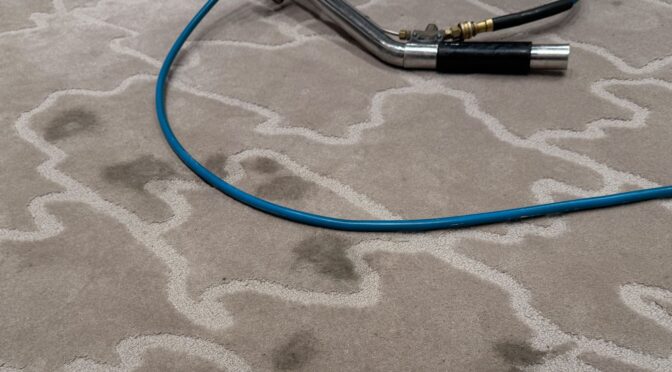
Pet odours often linger because smells soak deep into carpets, rugs and furniture — not just on the surface. These trapped odours can affect air quality, mood, stress levels and overall comfort at home. By acting quickly, using the right cleaning methods, and understanding why smells return (especially in warm or humid weather), families can create a fresher, healthier and more comfortable living space for everyone — including pets. This pet smell cleaning guide explains how to properly manage odours and eliminate pet smells home long-term.
Pets bring warmth, comfort and joy into a home. They become part of the family — sleeping on the couch, following everyone from room to room, and greeting you like a hero when you walk through the door.
But along with the cuddles and companionship comes one common challenge many households face: remove stubborn pet odours.
That lingering smell in the carpet.
The couch that never quite smells fresh again.
The rug that still holds onto “something,” even after cleaning.
Pet odours are one of the most frustrating household problems because they often don’t come from what you can see — they come from what’s trapped deep inside fibres. This is why proper pet odour removal carpet methods matter.
This guide explains why pet smells linger, how to remove them properly, and why managing odours isn’t just about cleanliness — it affects health, mood, stress levels, family life and overall wellbeing. It also works as a practical pet smell cleaning guide for everyday homes.
And don’t worry — everything here is explained simply, clearly, and without complicated cleaning jargon.
Why Pet Odours Are So Hard to Remove
Pet smells don’t behave like normal dirt.
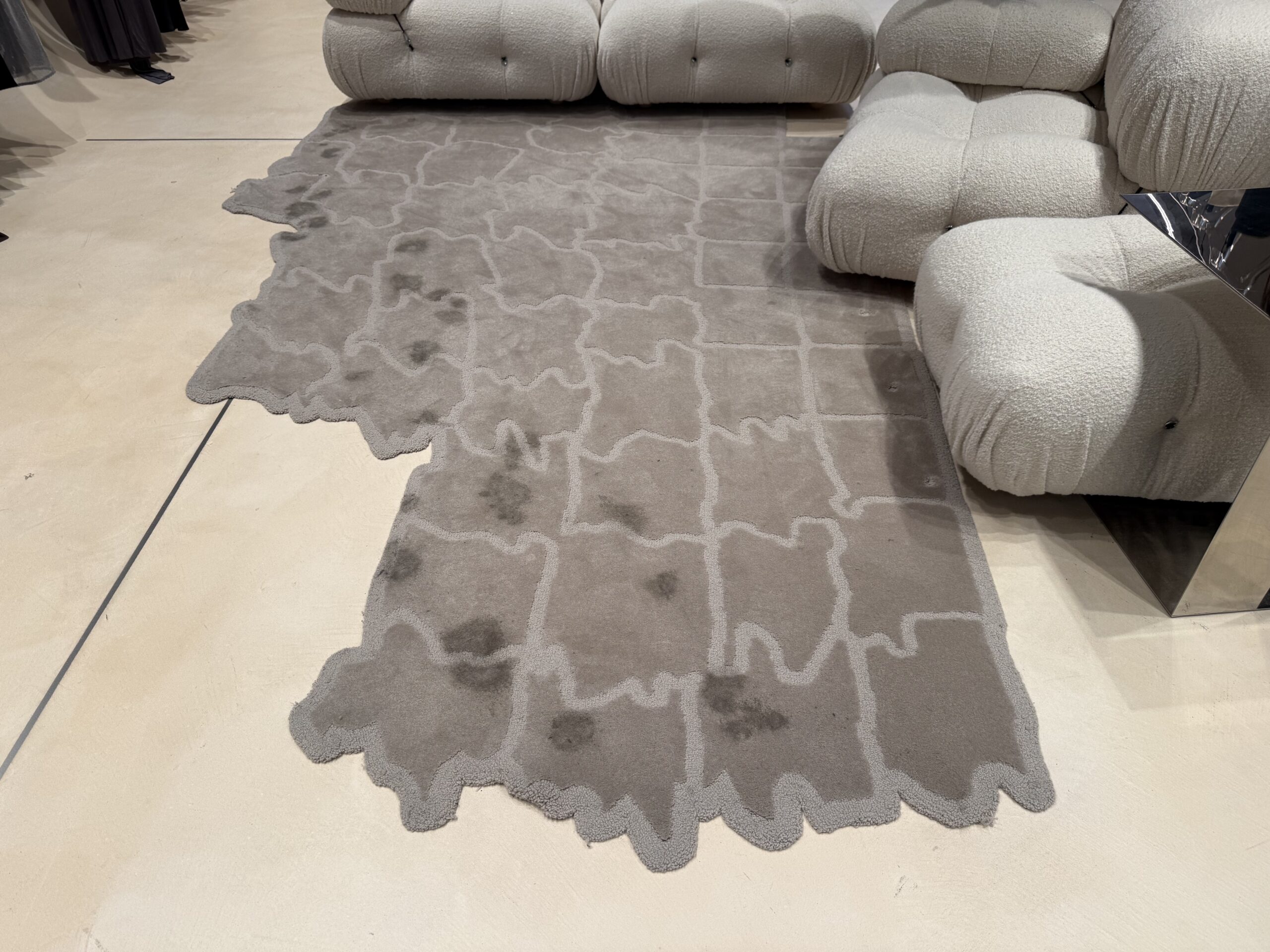
When a pet has an accident, the liquid doesn’t just sit on the surface. It seeps down through carpet fibres, underlay, rug backing, couch padding and fabric cushions — making carpet odour removal pets far more complex than it first appears.
As the moisture dries, tiny crystals called uric salts are left behind. These crystals reactivate whenever humidity rises — which is why smells often return on warm or rainy days.
That’s also why spraying air freshener or doing a quick clean rarely works.
You’re not dealing with a surface smell — you’re dealing with odour trapped deep inside soft materials that require proper pet odour treatment.
The Hidden Impact of Pet Odours on Health
Pet odours don’t just affect how a home smells. They can affect how people feel physically.
When odours linger, they release microscopic particles into the air. Over time, this can contribute to irritated airways, sneezing or coughing, headaches and worsening asthma or allergies.
Children, older adults and people with sensitive lungs often notice this first — especially in homes struggling with dog odour removal or ongoing pet smells.
A home that smells musty or stale is often a sign that air quality is being affected — not just cleanliness.
Pet accidents also introduce bacteria into soft surfaces. When moisture stays trapped, bacteria can continue to grow even when the surface looks dry.
That’s why an area can smell again days or weeks later, particularly without proper cat odour carpet cleaning techniques.
Removing odour properly helps reduce bacteria and supports a healthier home environment.
Mental Load: Why Smells Create Constant Stress
Many people don’t realise how much mental energy pet odours take up.
You might find yourself thinking, “Can guests smell this?” or “Why does the house never feel fully clean?” or “I just cleaned — why does it still smell?”
That constant background worry creates stress, even when nothing is visibly wrong.
A home that smells clean helps your mind relax.
When the air feels fresh, your brain receives a subtle signal that things are under control — and that matters more than people realise when trying to eliminate pet smells home.
Emotional Effects of Living With Persistent Odours
Smell is directly connected to emotion.
The part of the brain that processes scent also controls memory and mood. That’s why unpleasant smells can instantly cause irritation, embarrassment, anxiety and restlessness.
Over time, living with ongoing odours — especially without effective pet odour treatment — can make people feel uncomfortable in their own home.
Some families even stop inviting visitors over because they feel embarrassed — even if others say they cannot smell anything.
A fresh-smelling home supports emotional comfort and confidence.
How Pet Odours Affect Family Life
When one problem keeps coming back, it often creates tension.
There may be arguments about whose turn it is to clean, frustration when smells return after cleaning, children avoiding certain rooms or rugs, or pets returning to the same spot repeatedly.
This happens because pets often smell old urine and think it is an acceptable toilet area — a common issue seen in failed rug pet odour cleaning.
If odour is not fully removed, accidents are more likely to repeat.
Proper cleaning does not just remove smells — it helps break the cycle.
Productivity and Focus at Home
Strong or lingering smells can affect concentration more than people expect.
When your senses are uncomfortable, your brain struggles to relax or focus.
This can impact working from home, studying, reading, sleeping and relaxing properly.
A home that smells clean feels calmer, quieter and easier to be in — even if nothing else changes.
Simple First Steps for Fresh Accidents
If a pet accident is fresh, timing matters.
Start by absorbing moisture immediately. Use paper towels or clean cloths and press firmly into the area. Do not rub, as rubbing pushes liquid deeper. Keep blotting until little moisture comes up.
Next, rinse lightly. A small amount of clean water can help dilute what is left behind. Blot again thoroughly. The goal is to remove as much liquid as possible before it dries — an important step in pet odour removal carpet success.
Baking Soda: A Helpful Odour Absorber
Baking soda is one of the safest and simplest tools for mild odours.
Sprinkle it generously over the affected area and leave it for several hours or overnight before vacuuming thoroughly.
Baking soda absorbs smells rather than covering them.
While it may not remove deep urine crystals, it is very effective for light odours and ongoing freshness.
Enzyme Cleaners: Why They Work Better
Enzyme-based cleaners are designed specifically for pet odours.
Instead of masking smells, enzymes break down the organic matter that causes odour.
These cleaners work best when they are applied generously, left to dwell and allowed to air dry.
Patience is important, as enzymes need time to work — especially for stubborn cases involving dog odour removal or repeat accidents.
Always follow product instructions and avoid mixing cleaners together.
Vinegar and Water: When Used Carefully
A simple vinegar and water mix can help neutralise odours.
Vinegar does not remove urine crystals, but it can reduce bacteria, neutralise smell and help reset fibres.
Always test in an unseen area first, especially on rugs or upholstery when following upholstery pet odour tips.
Never soak fabrics — light misting and blotting works best.
Rugs: Why Odours Often Come Back
Rugs are one of the hardest items to fully deodorise because smells get trapped in fibres, backing and padding underneath.
Even when the top looks clean, the underside may still hold odour.
If possible, rugs should be taken outside to air in sunlight. Cleaning both sides and allowing complete drying helps significantly, especially for ongoing rug pet odour cleaning issues.
Sunlight helps break down odour-causing bacteria naturally.
Upholstery: The Hidden Problem Area
Couches and chairs often hold odours longer than carpets.
Pets nap there, hair builds up and moisture sinks into foam.
Surface cleaning alone is usually not enough.
Lightly misting enzyme cleaner and allowing full drying helps, but deep-set smells may require professional cleaning to reach internal padding — a key part of effective upholstery pet odour tips.
Why Odours Return on Humid Days
If your home smells worse when it is warm or humid, you are not imagining it.
Humidity reactivates dried urine salts.
That is why smells can disappear in winter and return in summer.
True odour removal means breaking down what is inside the fibres, not just drying the surface — the foundation of long-term pet odour treatment.
Wellbeing Starts With a Comfortable Home
A clean-smelling home supports wellbeing in quiet ways.
It helps people relax properly, sleep better, feel comfortable inviting others in and enjoy their space again.
You do not consciously think about fresh air — you just feel better when it is there.
The Link Between Cleanliness and Mood
When a home smells fresh, people often feel calmer, more positive, less irritable and more settled.
This is not about perfection. It is about comfort.
Smell is one of the strongest mood triggers we have.
Children and Pet Odours
Children spend time playing on carpets and rugs.
Reducing pet odours helps improve indoor air quality, reduce bacteria exposure and create safer play spaces — particularly when managing cat odour carpet cleaning properly.
A clean-smelling home supports healthier everyday living for growing bodies.
Long-Term Home Care and Property Value
Persistent odours can soak into flooring and furniture over time.
If untreated, they may lead to permanent staining, underlay damage, reduced carpet lifespan and costly replacements.
Regular care helps protect the long-term value of your home.
Prevention Tips That Make a Big Difference
A few habits can reduce odour build-up.
Cleaning accidents immediately, washing pet bedding weekly, vacuuming carpets and upholstery regularly, rotating rugs and using washable covers where possible all help prevent smells from settling in.
Prevention is always easier than removal.
When Professional Help May Be Needed
Sometimes odours are simply too deep for household products.
Professional cleaning can reach carpet backing, underlay and upholstery padding.
This can make a major difference when smells keep returning despite repeated cleaning.
A Home Should Feel Comfortable — Not Stressful
Living with pets should feel joyful, not frustrating.
A home that smells fresh helps everyone feel more relaxed, more confident and more comfortable — whether it is family time, work time, or simply resting at the end of the day.
Removing pet odours is not about chasing perfection.
It is about creating a space where people can breathe easily, think clearly and enjoy being home.
And that makes a bigger difference than most people realise.
If pet odours are lingering despite your best efforts, expert help can make all the difference.
Call 03 8583 9106, email petstainremovertoday@gmail.com, or visit petstainremover.com.au to get practical advice and support tailored to your home.
Key Takeaways
- Pet odours often linger because smells soak deep into carpets, rugs and upholstery, not just on the surface.
- Quick action after accidents makes a big difference in preventing long-term smells.
- Baking soda can help absorb light odours, but deeper smells usually need enzyme-based cleaners.
- Humidity can reactivate old pet urine crystals, which is why odours often return in warmer weather.
- Lingering pet smells can affect air quality, mood, stress levels and overall comfort at home.
- Proper odour removal helps prevent repeat accidents by stopping pets from returning to the same spot.
- Regular cleaning and ventilation support a healthier, fresher indoor environment.
- Deep or recurring odours may require professional treatment to fully remove smells from underlay or padding.
- A fresh-smelling home supports wellbeing, confidence and everyday family comfort.
Case Study 1: When “Clean” Still Didn’t Feel Clean
Sarah lived in a townhouse in Melbourne with her partner, two children and their rescue dog, Milo. Milo was well trained, but during his early adjustment period, he had several accidents on the living room carpet.
At first, everything seemed manageable. Sarah cleaned the spots straight away, used store-bought sprays and even hired a general cleaner. The stains faded, but the smell never truly disappeared.
Over time, the issue became more noticeable — especially on warm days.
The living room began to carry a faint but constant odour. Visitors rarely mentioned it, but Sarah could smell it every time she walked in. The home no longer felt relaxing.
Despite regular vacuuming, the problem remained because the urine had soaked beyond the surface. What Sarah was experiencing is common with failed pet odour removal carpet methods. The smell wasn’t in the fibres alone — it had reached the underlay.
The humidity reactivated the dried urine salts, making the smell return again and again. This is a common reason people struggle to remove stubborn pet odours, even when the carpet looks spotless.
Once the source was identified, a targeted pet odour treatment was used to break down the trapped residue properly. After treatment, the air in the home felt noticeably lighter.
Sarah later said the biggest difference wasn’t visual — it was emotional. The home finally felt calm again. No second-guessing. No embarrassment. Just comfort.
This case highlights why carpet odour removal pets requires deeper treatment, not just surface cleaning.
Case Study 2: Cat Odours That Took Over the Family Room
Daniel and Priya shared their home with two indoor cats. The litter trays were cleaned daily, but one cat had begun urinating near the edge of a large rug in the family room.
The rug was washed several times. The smell improved briefly but always returned.
Eventually, the odour spread beyond the rug. The nearby couch and cushions began to hold the same scent, creating frustration and tension in the household.
This is a common pattern when cat odour carpet cleaning isn’t fully completed. Once scent remains, cats often return to the same area repeatedly.
The family tried multiple cleaning methods, including vinegar sprays and scented products, but these only masked the problem temporarily. The real issue was that the urine had penetrated the rug backing and transferred to surrounding surfaces.
This situation required a combined approach involving rug pet odour cleaning and careful application of upholstery pet odour tips to prevent the smell from spreading further.
After proper treatment, the cats stopped returning to the same area — a clear sign the scent marker had finally been removed.
Daniel later shared that the biggest change was how the home felt emotionally. Without the lingering smell, the family room became usable again. Guests were welcomed back. The stress disappeared.
This case reinforced an important lesson: to truly eliminate pet smells home, odours must be treated at their source — not covered up.



