

 SMS/Fast Response: +61 468 089 155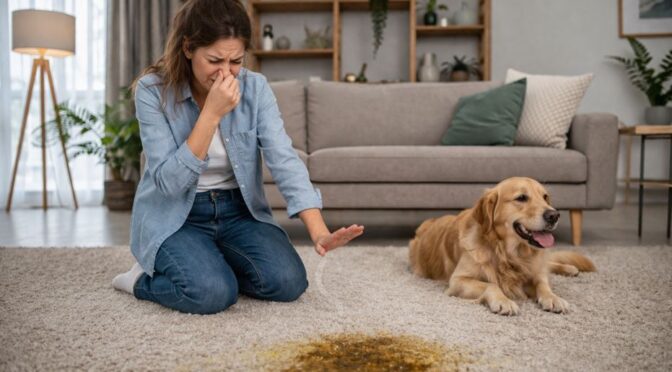
Pet stains are not just a small mess on the surface. The dangers of pet stains go far beyond what you can see. They can soak deep into carpet, furniture, and floors, causing strong smells, hidden hygiene issues, repeat accidents, and even long-term damage to your home. They can also affect your mood, stress levels, family comfort, and the overall feel of your space. Acting quickly and cleaning the stain properly is the best way to keep your home fresh, healthy, and comfortable.
Pets make a home feel warm, happy, and full of life. But pet stains can quietly create a problem that is much bigger than a small mark on the carpet. A pet accident is not only about what you can see. It is also about what sinks in, what stays behind, and what starts to build up over time. That is why a patch that looks minor can still leave a room smelling stale, feeling unclean, and showing how pet stains affect hygiene in ways many people do not notice at first.
One of the biggest mistakes people make is thinking the problem is gone because the surface looks dry. In reality, pet urine can move deeper than most people expect. It can soak through carpet, into the underlay, and in some cases into the backing or even the floor underneath. That is why a quick wipe on top often does not solve the real problem underneath, especially when pet urine smell problems have already started.
That leads to the next hidden issue: smell. Pet stains often smell worse over time, not better. Bacteria in urine can produce ammonia, which is one reason the odour becomes so sharp and unpleasant. Even worse, the smell may not stay steady. It can seem to fade, then come back on warm or damp days, especially if the affected area was never properly cleaned all the way through. The result is a home that never quite smells fresh, no matter how often the room is aired out. In many homes, carpet bacteria pet urine problems sit below the surface where people cannot see them.
This matters because smell affects more than the nose. It affects how a home feels. A clean-smelling home usually feels calm, safe, and cared for. A home with a lingering urine smell can feel stressful, heavy, and embarrassing. People may stop inviting guests over. Family members may feel on edge without fully knowing why. You may walk into a room and immediately feel annoyed or flat. That is not vanity. It is human nature. When the home smells off, it is harder to relax properly in it. While that part is simple common sense, the cause often comes back to the hidden residue and odour left behind by pet accidents, along with wider pet odour health risks that people often overlook.
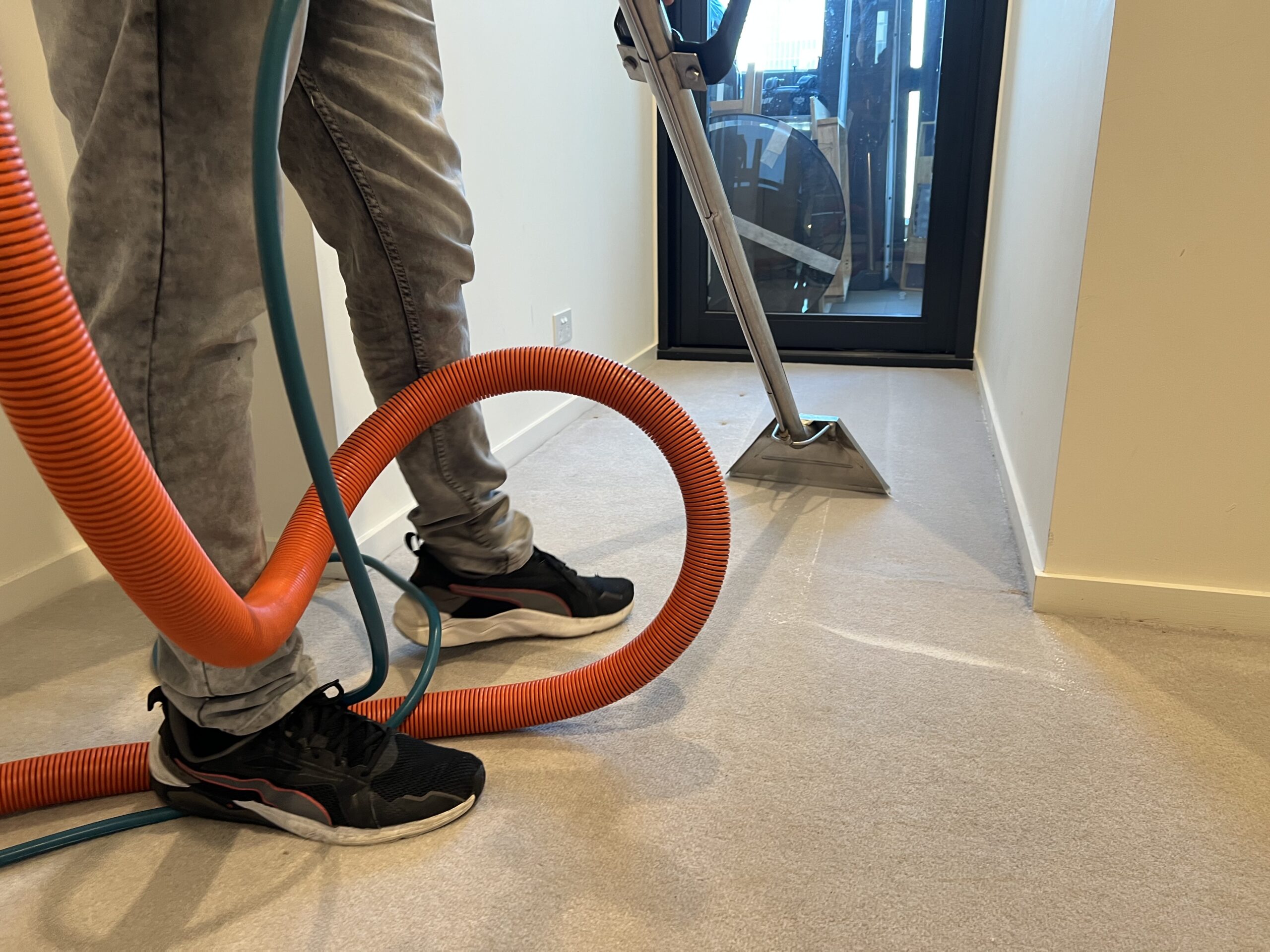
There is also a hygiene side that many people do not think about enough. Pet items and pet-contact areas can sometimes be contaminated with germs, which is why pet mess should be cleaned up quickly and carefully. That tells us something important: pet mess is not only a visual mess. It can also be a hygiene issue, especially if it is left to sit, spread, or soak into soft surfaces. In some cases, this also raises concerns around dog urine health risks in everyday family spaces.
This can matter even more in family homes. If there are babies crawling on the floor, young children playing on rugs, or adults sitting on upholstered furniture, the stained area becomes part of everyday life. It is not tucked away in a corner. It is right where people live, play, stretch out, or put their hands. If someone in the home has asthma or is sensitive to strong smells, the problem can feel even worse. That is why it is important to clean pet stains for health, not only for appearance.
That brings up another hidden problem: sometimes the attempt to clean the stain can create a second problem. Many households throw every cleaner they have at the stain, hoping one of them will work. But not every product is safe to mix, and not every cleaner is right for homes with pets and children. In other words, panic cleaning can turn a pet stain into an indoor air problem if it is done the wrong way, especially where carpet odour and bacteria are already part of the issue.
This is one reason the “smell and hygiene” problem is often bigger than people think. First there is the stain. Then there is the odour. Then there is the stress of trying to fix it. Then there is the worry that the products being used may not be safe or may still not be working. It becomes a cycle. You clean, the smell eases, then rain comes, humidity rises, or the room gets warm, and the odour seems to return. That is frustrating, especially when you thought the problem was already solved.
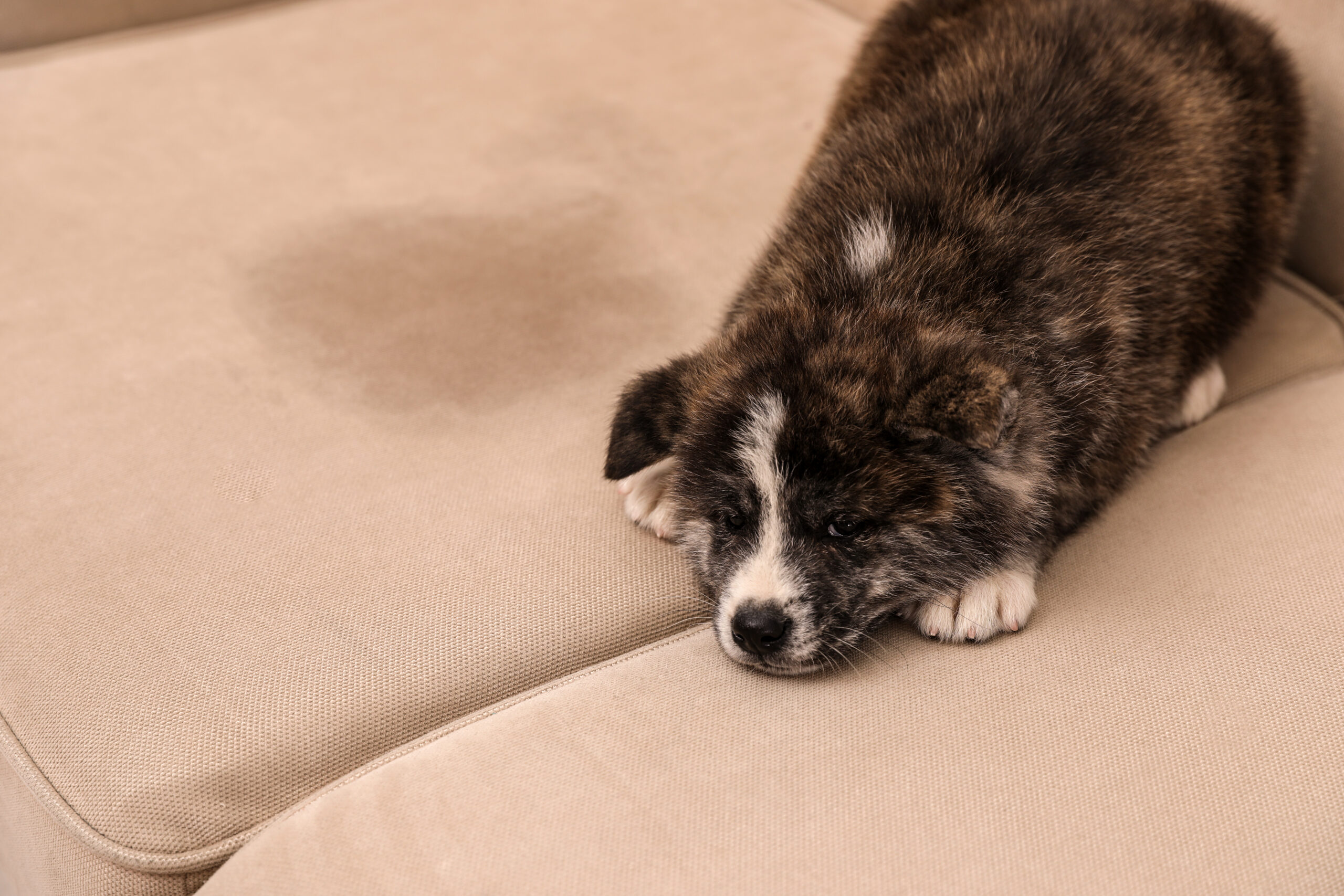
There is another reason pet stains are so difficult: pets themselves can be drawn back to the same area. If the smell is still there, they may return to that exact spot again. So when a stain is not fully dealt with, the problem can become a habit. That is why one accident can turn into several, and why some homes seem to have a “favourite corner” for repeat toileting. It is not always bad behaviour. Sometimes the old scent is simply still there. With cats, similar concerns around cat urine hygiene issues can become just as difficult inside the home.
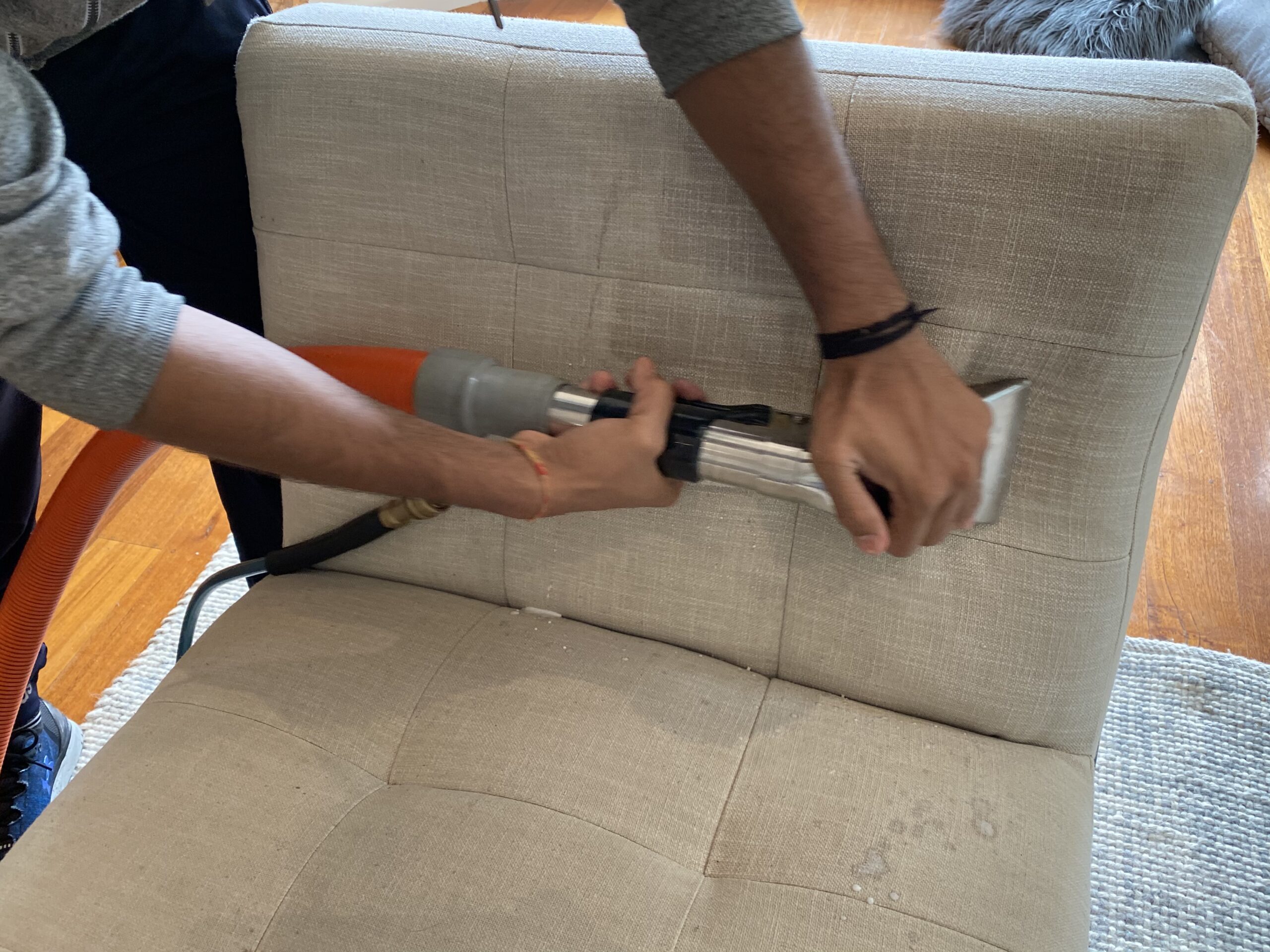
From a mental and emotional point of view, this can wear people down more than they expect. A home is supposed to be the place where you switch off. But when a room smells bad, you keep thinking about it. You wonder whether guests notice it. You worry the couch is ruined. You feel guilty for being annoyed with your pet. You may even feel embarrassed asking friends or family to come over. These small feelings build up. They chip away at comfort. They can make home life feel less peaceful and more tiring. That is part of the hidden danger too. Pet stains do not just sit on the carpet. They can sit in the background of your day and affect your mood more than you realise.
The problem can also affect family life in simple, practical ways. When the lounge smells off, people may spend less time there. When a child’s bedroom has a hidden stain, sleep can feel less comfortable. When a work-from-home space has a lingering odour, it can be harder to concentrate. Small irritations matter because they repeat every day. A clean home usually helps people feel settled and focused. A home with ongoing odour and hygiene worries can create the opposite effect. It can make daily routines feel heavier than they need to feel.
There is a money side as well. Pet urine does not only threaten the smell of a room. It can damage carpet dyes, fibres, backing, and seams over time. That means the cost is not always just the cost of stain removal. It can become the cost of replacing carpet, repairing flooring, or dealing with long-term damage to soft furnishings. A problem that started as “just a little accident” can end up becoming an expensive one.
It can also affect how your home is judged by other people. Buyers, tenants, guests, and even tradespeople notice smell quickly. Often, smell shapes the whole first impression before they have looked closely at anything else. A home can look tidy but still feel dirty if there is a lingering pet odour in the air. That can matter if you are renting, planning to sell, preparing for an inspection, or simply trying to keep your living space comfortable and welcoming. A strong pet smell tells people there may be a hidden issue, even if the room looks fine on the surface. This is part of the wider pet mess home impact that many households feel every day.
It is worth saying too that pet accidents can sometimes be a sign of something else going on. If a pet that is already house-trained starts having accidents, it may be worth checking whether there is a medical or behavioural reason behind it. That matters because cleaning the stain is only part of the picture. If the cause is a health issue, fear, anxiety, ageing, or incontinence, the accidents may continue until the real reason is addressed. Good pet care and good home hygiene often go hand in hand.
So what should people do when a pet stain happens? First, act quickly. The faster you respond, the better the chance of limiting how far the urine spreads and how strong the odour becomes. Speed matters because time gives the stain more chance to sink, dry, and settle into the materials below.
Second, do not rub wildly or guess your way through the cleanup. Blotting is usually better than rubbing because rubbing can spread the urine through the fabric. Follow the instructions on any product you use. If stronger cleaning is needed, make sure pets and children stay away until the area is fully dry and safe.
Third, protect yourself while cleaning. Use gloves when needed and wash your hands thoroughly afterwards. This is especially sensible when the stain is fresh, large, or has spread into multiple surfaces. Open windows where possible. Use products carefully. Do not mix cleaners. And remember that some products may be unsafe for certain pets if used incorrectly.
Finally, know when the issue is too deep for a surface clean. If the smell keeps returning, if the stain has soaked through carpet or upholstery, or if the affected area has been sitting for some time, a simple wipe-down may not be enough. A deeper treatment is often needed because the real problem is usually below the part you can see.
At the end of the day, the hidden danger of pet stains is not just one thing. It is the smell that lingers. It is the hygiene risk that gets ignored. It is the stress of a home that does not feel fully fresh. It is the effect on family comfort, daily focus, mood, and even household costs. A pet stain may begin as a small accident, but if it is not properly handled, it can quietly affect the whole feel of a home. The good news is that early action, safe cleaning, and proper treatment can stop a small problem from becoming a long-lasting one.
Need help getting rid of stubborn pet stains, lingering odours, and hidden hygiene issues? Call 03 8583 9106, email petstainremovertoday@gmail.com, or visit petstainremover.com.au to restore a fresher, cleaner, healthier home.
Key Takeaways
- Pet stains are not only surface marks. They can soak deep into carpet, underlay, furniture, and flooring.
- The dangers of pet stains include lingering odours, hidden hygiene problems, repeat accidents, and long-term damage to the home.
- Pet stains affect hygiene because germs, residue, and odours can remain even after the surface looks dry.
- Pet urine smell problems often get worse over time, especially in warm or damp conditions.
- Carpet bacteria pet urine issues can build up below the surface where people cannot see them.
- Pet odour health risks may be more noticeable for families with children, pets, or people sensitive to strong smells.
- Dog urine health risks and cat urine hygiene issues should not be ignored, especially in shared family spaces.
- Trying to fix the stain with the wrong products or by mixing cleaners can make the problem worse.
- It is important to clean pet stains for health, not just to improve how the room looks.
- Carpet odour and bacteria can affect comfort, mood, focus, family life, and the overall feel of the home.
- The wider pet mess home impact can include stress, embarrassment, reduced comfort, and expensive damage over time.
- Fast action and proper cleaning give you the best chance of keeping your home fresh, healthy, and comfortable.
Case Study 1: The Family Home That Always Smelt “A Bit Off”
Sarah and Daniel loved their golden retriever, but after a few accidents in the lounge room, the whole house started to change. At first, they thought it was just a small patch on the carpet. They cleaned it quickly, opened the windows, sprayed air freshener, and moved on. But within days, the smell came back.
What made it harder was that the room looked clean. There was no obvious stain, yet every time someone walked into the house, they noticed that sharp, stale smell. Sarah started avoiding having friends over. Daniel found it hard to relax after work because the lounge no longer felt fresh. Their two young children played on that same carpet every afternoon, which made Sarah start worrying about whether pet stains affect hygiene more than most people realise.
As time went on, they noticed the real pet mess home impact. The smell was affecting family comfort, mood, and even confidence. They felt embarrassed when guests visited, and their home stopped feeling calm. On humid days, the smell became even worse, showing just how frustrating pet urine smell problems can be when the stain has gone deep into the carpet and underlay.
The deeper issue turned out to be exactly that. The accident had soaked below the surface, creating hidden carpet bacteria pet urine problems and ongoing carpet odour and bacteria trapped in the flooring layers. What looked like a minor mess had quietly become one of the real dangers of pet stains.
Once the affected area was treated properly, the change in the home was immediate. The lounge smelled fresh again. The family stopped feeling on edge. Guests could visit without awkwardness. Most importantly, the home felt clean, comfortable, and safe again. For Sarah and Daniel, the biggest lesson was simple: when you clean pet stains for health, comfort, and peace of mind, you are not only fixing a carpet. You are restoring the whole feel of the home.
Case Study 2: The Cat Accident That Turned Into a Bigger Hygiene Problem
Melissa had an older cat who had recently started having accidents in the spare bedroom. At first, she assumed it was just part of getting older, so she cleaned the area herself and hoped the problem would pass. But after a few weeks, the smell became impossible to ignore.
It was strongest near the wardrobe and seemed to get worse in warm weather. Melissa washed the area more than once, but nothing seemed to last. The room started feeling unpleasant to walk into, and because she worked from home, that mattered more than she expected. What had once been a quiet, useful room became a constant source of stress and distraction.
This was not only about smell. Melissa also became worried about cat urine hygiene issues, especially because her young niece often visited and played in that room. She started reading about pet odour health risks and realised that an old stain can leave behind more than just a bad smell. It can affect how fresh and healthy a home feels every day.
The problem was deeper than surface level. The urine had travelled into the carpet backing, creating stubborn pet urine smell problems and hidden carpet odour and bacteria that kept rising back up. Melissa also learned that the same spot can attract repeat accidents if the odour is not fully removed, which is why the issue had become a cycle instead of a one-off event.
In her case, the wider dangers of pet stains became very real. The room affected her focus, her mood, and her sense of comfort at home. Even though it was only one room, it changed the way the whole house felt.
After proper treatment, the spare bedroom became usable again. The smell lifted, the room felt lighter, and Melissa no longer worried about the hidden dog urine health risks or cat-related hygiene concerns that can come with untreated pet accidents in soft flooring. The biggest takeaway for her was that pet accidents should never be judged by what is visible on the surface. A small stain can have a much bigger impact than expected.



