

 SMS/Fast Response: +61 468 089 155
If you live with pets, carpets collect far more than visible hair and dirt. Pet dander, odours, bacteria, and outdoor debris settle deep into fibres where regular vacuuming cannot reach. For most pet-friendly homes, a professional deep clean every three to six months helps maintain cleaner air, reduces lingering smells, protects carpet lifespan, and keeps the home feeling fresh and comfortable. Homes with multiple pets, heavy shedding, or frequent accidents may benefit from more frequent cleaning.
Living with pets is one of life’s great pleasures. They bring companionship, comfort, and warmth into a home in ways that are difficult to describe. Yet every pet owner quickly learns that carpets experience a very different reality. Fur, dirt, muddy paw prints, and the occasional accident are simply part of everyday life.
One question appears again and again in pet-friendly households: how often clean pet stains and how frequently should carpets be professionally deep-cleaned? The answer is not only about keeping floors looking nice. It connects to health, comfort, mood, family life, and even the long-term condition of your home.
Let’s explore this topic from several practical angles.
Carpets and Daily Life with Pets
Carpets behave like large filters spread across your floors. They trap dust, dirt, hair, and microscopic particles moving through the air. In homes with pets, this filtering role intensifies dramatically.
Each time a pet walks indoors, tiny traces of the outside world travel with them. Soil, pollen, moisture, and bacteria can settle deep into carpet fibres. Shedding fur and natural oils from a pet’s coat add another layer of residue.
This is where pet carpet maintenance becomes essential. Vacuuming certainly helps, but it mainly removes loose material from the surface. Much of what influences cleanliness and hygiene sits deeper in the pile.
Why Deep Cleaning Matters for Health
Health is one of the most important reasons to consider a structured carpet cleaning schedule pets households can realistically follow.
Carpets may hold pet dander, dust mites, and allergens that are invisible to the naked eye. When disturbed by movement, these particles can circulate through indoor air. Sensitive individuals may experience sneezing, irritation, or breathing discomfort.
Regular deep cleaning carpets pets environments require can help remove embedded contaminants. Cleaner carpets often contribute to fresher indoor air, which supports overall household comfort.
The Invisible Side of Dirt and Residue
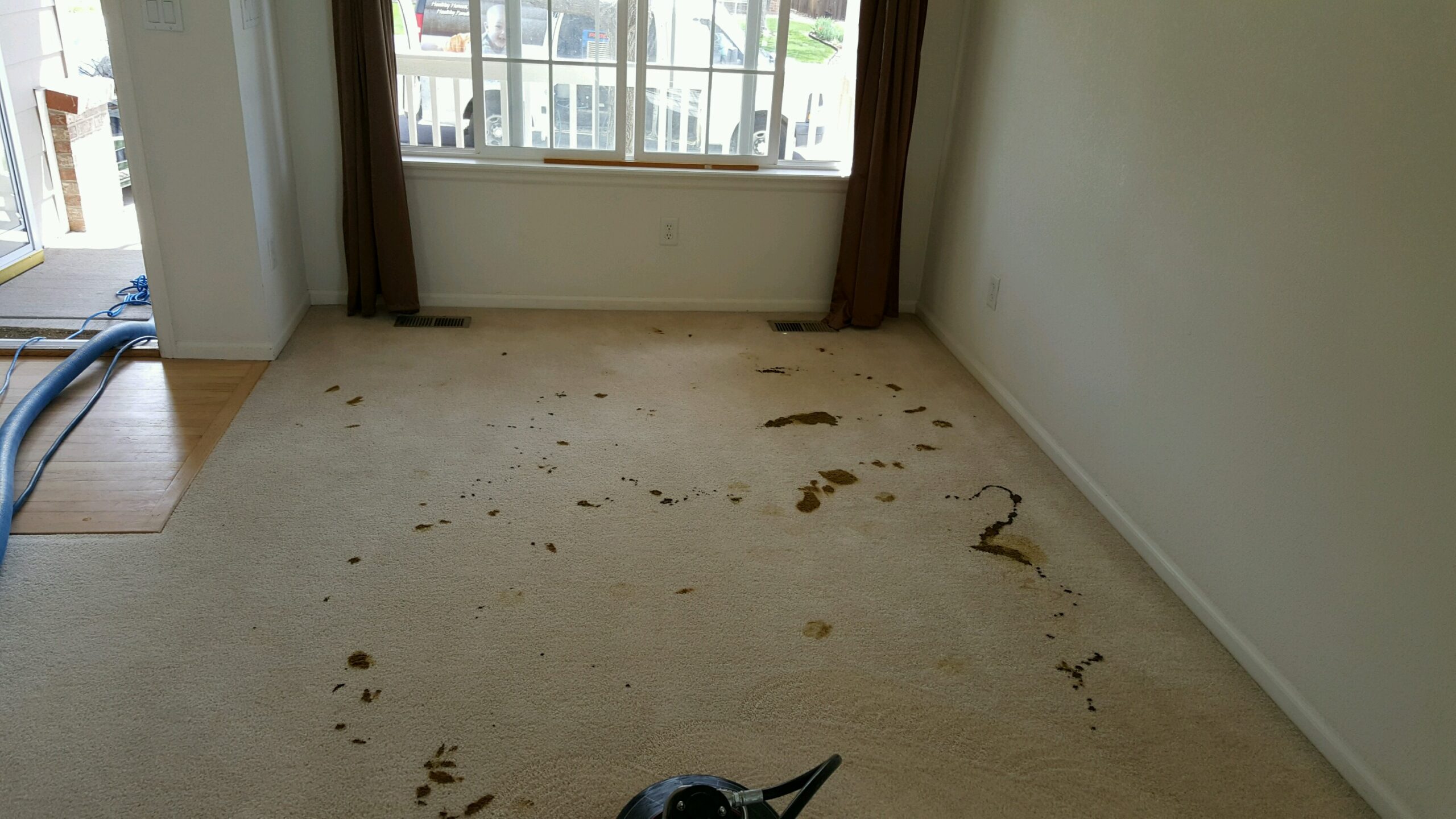
A carpet may appear clean yet still contain deeply embedded substances. Pet accidents illustrate this clearly.
Liquids from spills or urine can seep below the visible surface. Even when stains are treated promptly, remaining moisture and bacteria may lead to persistent odours. Over time, smells can intensify, especially in warm conditions.
Proper dog urine carpet care and cat urine carpet care depend on addressing what lies beneath the fibres. Deep cleaning methods target layers that everyday cleaning cannot reach.
Carpets, Odours, and Air Quality
Odours are not just a cosmetic concern. Lingering smells can affect how comfortable a home feels.
Carpets naturally absorb and retain scents. Without consistent carpet odour prevention pets strategies, unwanted smells may build gradually. This is particularly common in high-traffic pet areas.
Periodic deep cleaning helps disrupt this cycle. Rather than reacting only when odours become strong, preventative care can support a more pleasant indoor environment.
Clean Spaces and Mental Clarity
Cleanliness strongly influences how people feel within their homes. Fresh surroundings can encourage calmness, while persistent mess or odours may quietly contribute to stress.
Carpets cover large visual areas and subtly shape room perception. When carpets carry visible stains or unpleasant smells, the entire space can feel less inviting.
Consistently maintain carpets with pets habits help preserve a sense of comfort. Cleaner floors can promote mental ease and reduce small daily irritations.
Emotional Comfort at Home
Home should feel like a place of rest. Small environmental discomforts, including odours or visible stains, can subtly affect emotional well-being.
Although these issues may seem minor, they can influence mood over time. A fresher environment often feels more relaxing and enjoyable.
Maintaining a practical pet stain cleaning routine contributes to this comfort. Clean carpets help reinforce a sense of order and cleanliness without demanding perfection.
Family Life and Shared Spaces
Carpets frequently serve as central gathering zones. Children sit and play on them. Pets rest on them. Guests walk across them.
Carpet condition therefore affects shared experiences. Cleaner carpets support a more pleasant setting for daily family activities.
Simple pet carpet maintenance combined with periodic deep cleaning can help ensure these shared areas remain comfortable and hygienic.
Productivity and Focus
Home environments play a role in concentration and productivity. Unpleasant smells or visible dirt can become subtle distractions.
When surroundings feel fresh and orderly, it often becomes easier to focus on work, study, or daily responsibilities.
Although carpet care may not seem directly connected to productivity, a cleaner space can reduce background discomfort and improve overall mental clarity.
Mood and Overall Well-Being
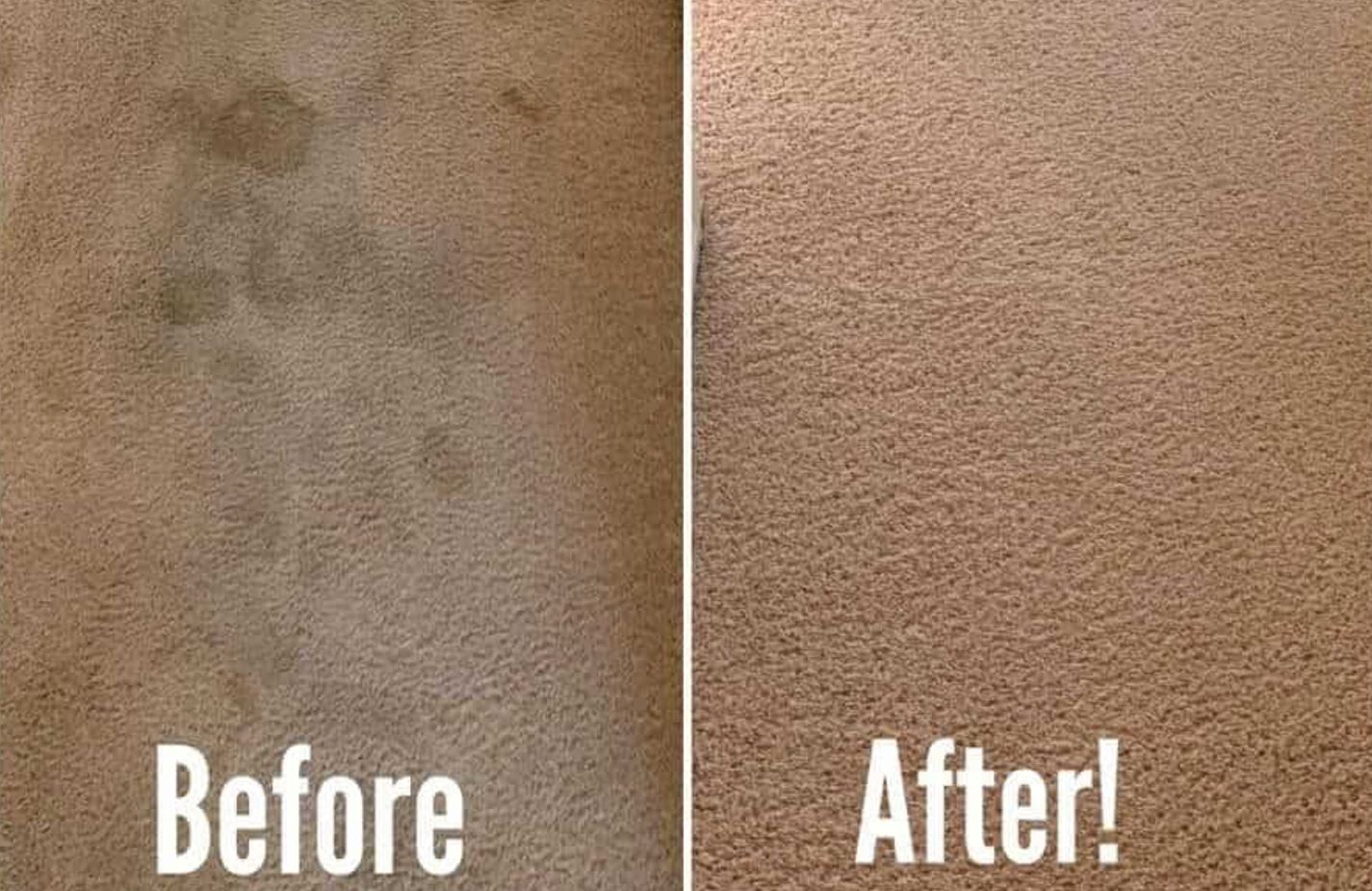
Clean surroundings are frequently associated with improved mood. Fresh carpets can influence how a room smells, looks, and feels.
These sensory improvements can positively shape perception of the home. Over time, maintaining cleaner carpets may contribute to a consistently more pleasant atmosphere.
Financial Considerations and Carpet Longevity
Carpets represent a meaningful household investment. Dirt and debris trapped within fibres may contribute to gradual wear.
Tiny abrasive particles act like sandpaper under foot traffic. Over time, colours may dull and fibres weaken.
Appropriate frequency of carpet cleaning pets households adopt can help protect carpet condition. Deep cleaning removes residues that may accelerate deterioration.
So, How Often Should Carpets Be Deep-Cleaned?
For many homes with pets, a reasonable guideline is every three to six months. This range accommodates typical pet-related accumulation while remaining practical.
However, ideal frequency of carpet cleaning pets environments varies:
- Multiple pets often increase cleaning needs
- Heavy shedding may shorten intervals
- Frequent accidents may require more attention
Rather than rigid rules, flexible observation works best.
The Role of Regular Maintenance
Deep cleaning works best alongside consistent upkeep. Vacuuming several times per week is often recommended for pet households.
Prompt response to spills or accidents is equally important. Early intervention reduces the likelihood of permanent staining or odour development.
Together, these habits support effective pet carpet maintenance between professional cleans.
Odour Management and Prevention
Odour control is far easier when treated proactively. A preventative carpet odour prevention pets approach helps avoid long-term issues.
Routine deep cleaning disrupts the build-up of bacteria and residue responsible for persistent smells. Maintaining freshness becomes simpler over time.
Children, Pets, and Floor Contact
Young children spend significant time close to the floor. Carpet hygiene therefore becomes especially relevant in family homes.
Cleaner carpets support a more reassuring environment for play and relaxation. While everyday life inevitably introduces dirt, reducing deep-seated contaminants helps maintain comfort.
Comfort for Pets Themselves
Pets are primary carpet users. They sit, sleep, and play on these surfaces daily.
Cleaner carpets can provide a more pleasant resting environment for animals as well. Reducing embedded dirt and odours benefits everyone sharing the space.
Recognising Signs It May Be Time
Many homeowners rely on practical indicators rather than strict calendars:
- Lingering odours
- Visible dullness or staining
- Increased allergy discomfort
- Reduced sense of freshness
These cues suggest carpets may benefit from deep cleaning carpets pets households often delay.
Balancing Cleanliness with Real Life
Perfect cleanliness is unrealistic, especially in pet homes. The aim is not spotless carpets but manageable maintenance.
A structured carpet cleaning schedule pets households follow helps maintain balance. Regular care prevents minor issues from becoming larger concerns.
Need Help with Pet Stains or Carpet Odours?
If your carpets have seen better days, professional care can make a noticeable difference. For advice or a quote, call 03 8583 9106, email petstainremovertoday@gmail.com, or visit petstainremover.com.au to learn more.
Key Takeaways
- Carpets in pet-friendly homes collect more than visible hair and dirt, including dander, allergens, and bacteria.
- Regular vacuuming is important but cannot remove deeply embedded residue.
- Most homes with pets benefit from professional deep cleaning every three to six months.
- Homes with multiple pets, heavy shedding, or frequent accidents may require more frequent cleaning.
- Deep cleaning supports healthier indoor air and helps manage lingering odours.
- Prompt attention to spills and accidents reduces long-term staining risks.
- Preventative care is more effective than waiting for visible problems or strong smells.
- Consistent carpet maintenance can help extend carpet lifespan and preserve appearance.
- Clean carpets contribute to a fresher, more comfortable living environment for both people and pets.
Case Study 1: When a “Clean” Carpet Still Didn’t Feel Clean
Sarah adored her golden retriever. The dog was affectionate, energetic, and very much part of the family. But over time, Sarah began noticing something frustrating. Despite frequent vacuuming and using store-bought sprays, certain areas of the carpet never quite felt fresh.
There were no obvious stains anymore, yet a faint smell lingered — especially on warm days. Guests rarely mentioned it, but Sarah could sense it. The living room, once the most comfortable space in the home, slowly became a source of quiet embarrassment.
Initially, Sarah assumed regular vacuuming covered her pet carpet maintenance needs. She followed what she believed was a reasonable carpet cleaning schedule pets households typically adopt. However, recurring odours told a different story.
A closer inspection revealed the likely cause: older accidents that had seeped deeper into the fibres. Surface treatments had reduced visibility, but they had not addressed the underlying contamination. This is a common challenge in dog urine carpet care, where moisture and bacteria may remain well below the surface.
After implementing a more structured pet stain cleaning routine and scheduling periodic deep cleaning carpets pets environments require, the change was noticeable. The persistent smell faded, and the room regained its sense of comfort.
More importantly, Sarah described a sense of relief. The home felt welcoming again, without the subtle stress caused by lingering carpet concerns. What appeared to be a cosmetic issue had quietly influenced daily comfort and peace of mind.
Case Study 2: The Hidden Impact of Small, Repeated Accidents
Michael lived with two indoor cats in a modern apartment. The cats were well cared for, yet occasional litter tray misses and territorial marking had become an ongoing frustration.
Over months, Michael developed a cleaning habit that felt diligent. He regularly vacuumed and treated visible spots immediately. Still, certain areas began showing dull patches, accompanied by mild but persistent odours.
The issue was not dramatic, but it was constant. The apartment no longer felt as fresh as it once had. Michael found himself opening windows more often and avoiding specific sections of the floor.
Like many pet owners, Michael underestimated the frequency of carpet cleaning pets environments often demand. While visible stains were addressed, deeper residue gradually accumulated. This is particularly relevant in cat urine carpet care, where repeated small incidents can build unnoticed over time.
A revised approach focused on maintain carpets with pets strategies rather than reactive cleaning alone. By combining routine vacuuming with scheduled deep cleaning carpets pets households benefit from, the carpet’s condition improved significantly.
Odours diminished, the fibres appeared brighter, and the apartment felt cleaner overall. Michael noted an unexpected benefit: improved comfort when working from home. The subtle distraction of lingering smells had been affecting concentration more than he realised.
The experience highlighted an important lesson. Carpet care in pet households is not only about visible mess. Effective carpet odour prevention pets strategies and a consistent how often clean pet stains mindset can meaningfully influence how a home looks, feels, and functions.



