

 SMS/Fast Response: +61 468 089 155
Pet messes are difficult to remove because they contain organic material that ordinary cleaners cannot fully break down. Enzyme cleaners work differently by targeting stains and odours at their source, not just masking them. By breaking down urine, bacteria and proteins at a molecular level, enzyme cleaners help eliminate lingering smells, improve indoor air quality, support pet training, and restore comfort in the home. They offer a safer, longer-lasting solution that benefits health, wellbeing and peace of mind for the whole household.
Living with pets brings a lot of joy. Wagging tails, gentle purring and the comfort of having a companion nearby quickly become part of everyday life. But along with that love comes the occasional mess. Accidents happen. Puppies have training setbacks. Older pets may struggle with bladder control. Even the most well-behaved animals can have an off day.
When that happens, most people grab the nearest cleaner and hope for the best. The stain might disappear, the smell might fade for a while, and everything seems fine. Until a few days later, when the odour quietly returns. This is exactly why many households begin searching for enzyme cleaners for pets rather than standard household sprays.
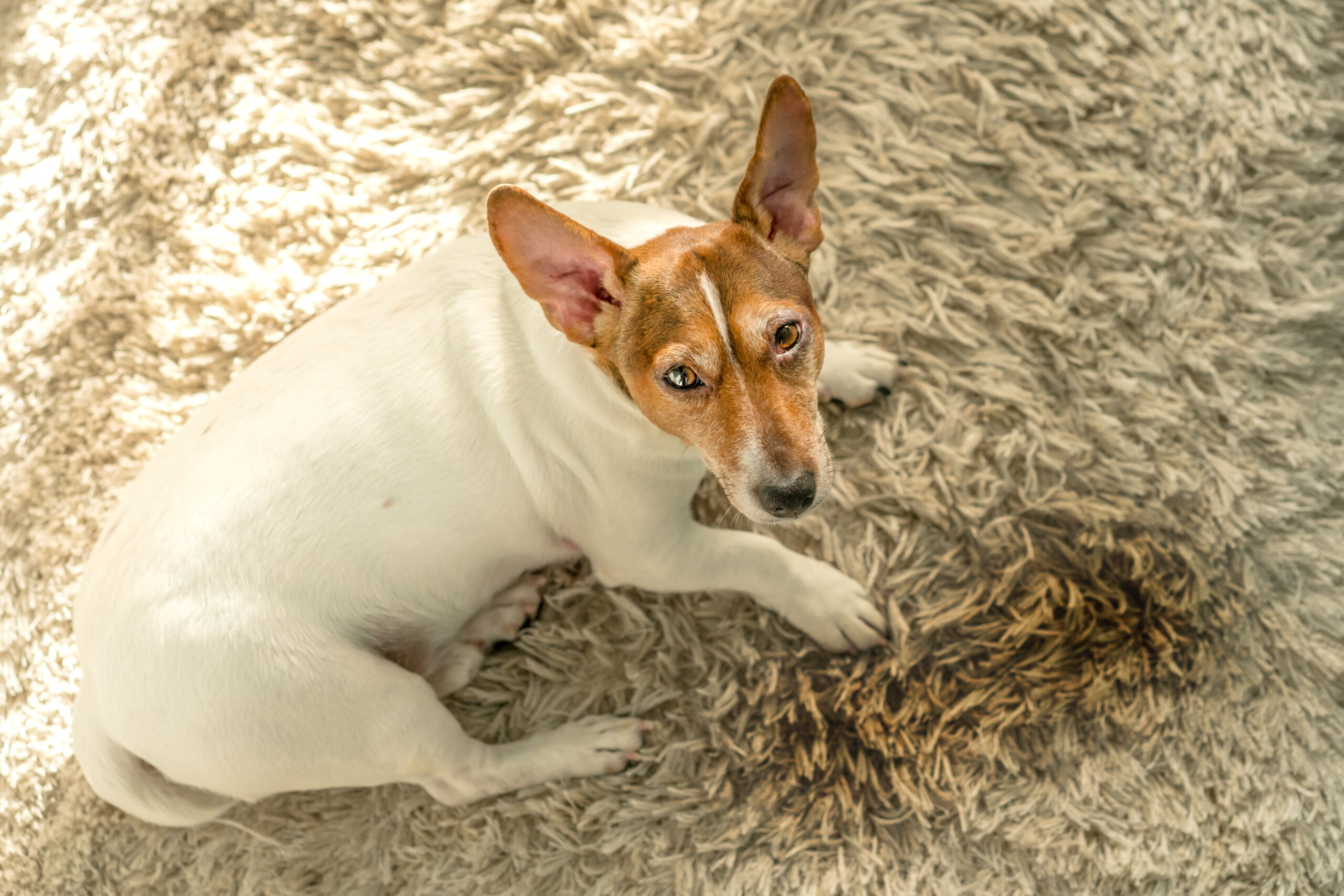
This happens because pet messes are very different from ordinary household spills. Urine, vomit and faeces contain organic material made up of proteins, fats, bacteria and uric acid crystals. These particles sink deep into carpets, rugs, upholstery and even hard flooring. Even when the surface looks clean, tiny residues often remain underneath.
Traditional cleaning products usually focus on surface cleaning. They lift visible stains or add fragrance to cover odours, but they rarely remove the source itself. Uric acid crystals can bond tightly to fibres and flooring and remain there for years if they are not broken down properly. That is why many pet smells seem to return during warm or humid weather, even after repeated cleaning attempts.
Enzyme cleaners work in a completely different way. Instead of masking smells, they use natural biological enzymes that break down organic waste at a molecular level. Understanding how enzyme cleaners work helps explain why they are so effective for pet-related accidents. These enzymes act like tiny workers, digesting the proteins and acids that cause stains and odours. Once this process is complete, there is nothing left behind to smell.
This is why enzyme cleaners are widely recommended for pet accidents and why many professionals rely on a pet urine enzyme cleaner rather than chemical-based products. They do not hide the problem. They remove it.
There are also important health benefits. Lingering pet odours can affect indoor air quality, especially in carpeted homes. When the source of the odour is eliminated through removing pet odours with enzymes, the air genuinely becomes fresher. This can make a noticeable difference for children, people with allergies or anyone sensitive to strong smells. These are some of the most important enzyme cleaner benefits for everyday households.
Enzyme-based products also tend to be gentler, reducing exposure to harsh chemicals that can irritate skin, lungs or paws. This makes them suitable for regular use and particularly helpful in family homes where pets and children share the same spaces.
The mental and emotional impact is just as important. A home that smells unpleasant can create constant background stress. Even if the scent is faint, the brain registers it. People often feel embarrassed when visitors come over or frustrated that their cleaning efforts never seem to work. Using a proper pet stain enzymatic cleaner can remove that ongoing worry and restore confidence in the home.
This sense of comfort affects the whole family. Children feel more relaxed playing on the floor. Guests feel welcome. Daily routines feel lighter. A clean-smelling home supports better focus, better mood and improved productivity, especially for people working or studying from home.
There are also long-term financial benefits. Pet urine can permanently damage carpet fibres, underlay and flooring if left untreated. Over time, this can lead to expensive replacements. Choosing the best enzyme cleaner for carpet early on helps protect flooring and reduces long-term repair costs. This is especially important in homes where enzyme carpet cleaning pets is required regularly.
Another major advantage is behaviour-related. Pets rely heavily on scent. If even a trace of urine remains, animals may interpret that area as an acceptable toilet spot. Using a targeted dog urine enzyme solution or a dedicated cat urine enzyme cleaner helps fully eliminate scent markers, making repeat accidents far less likely.
Because enzyme cleaners remove odours at their source, pets are not drawn back to the same area again. This supports toilet training and helps reduce stress for both pets and owners.
It is important to understand that enzyme cleaners are not instant solutions. They need time to work. The enzymes must stay moist long enough to fully break down the organic material. When used correctly and allowed to do their job, the results are far more lasting than quick sprays or surface wipes.
At its core, enzyme cleaning is not just about hygiene. It is about peace of mind. Knowing your home truly smells clean, knowing your pets are safe, and knowing your efforts are actually effective changes the way a home feels.
Pet accidents are part of life. They are not a failure and they do not mean something is wrong. But using the right approach makes all the difference. Enzyme cleaners work with nature rather than against it, offering a simple, science-backed way to restore comfort, cleanliness and confidence at home.
Need help removing stubborn pet stains or lingering odours?
Get expert advice and support today.
📞 Call 03 8583 9106
📧 Email petstainremovertoday@gmail.com
🌐 Visit petstainremover.com.au
Key Takeaways
- Pet messes contain organic material that ordinary cleaners cannot fully remove.
- Enzyme cleaners break down stains and odours at their source instead of masking them.
- Removing pet odours properly helps improve indoor air quality and overall home hygiene.
- Enzyme-based cleaning supports pet training by eliminating scent markers that cause repeat accidents.
- A clean-smelling home reduces stress, improves mood, and supports family wellbeing.
- Early treatment with enzyme cleaners can help protect carpets, flooring, and long-term property value.
- Using the right cleaning method creates lasting results and greater peace of mind at home.
Case Study 1: When Cleaning Wasn’t Enough — Finally Solving a Persistent Dog Urine Smell
Sarah lived in a Melbourne townhouse with her young family and a rescue dog named Max. Max had settled in well, but during his first few months, accidents were common. Sarah cleaned each mess straight away, yet no matter how much she scrubbed, a faint smell always seemed to linger in the living room carpet.
At first, it was easy to ignore. But over time, the odour became more noticeable, especially on warm days. Visitors would subtly comment on the smell, and Max began returning to the same area again and again. It was confusing and emotionally draining.
After learning more about enzyme cleaners for pets, Sarah discovered that traditional cleaners were not breaking down the urine crystals trapped deep in the carpet fibres. She decided to try a targeted dog urine enzyme solution designed for carpets.
Once applied correctly and given time to work, the difference was clear. The smell didn’t just fade — it disappeared. This was Sarah’s first real experience with removing pet odours with enzymes rather than covering them up.
Over the following weeks, Max stopped revisiting the same spot. The carpet felt fresher, and the living room became comfortable again for family movie nights and playtime. What surprised Sarah most was how much lighter the home felt emotionally once the smell was gone.
Understanding how enzyme cleaners work changed her approach completely. Instead of repeated surface cleaning, she now relied on enzyme treatment as her first step whenever accidents happened.
Case Study 2: Eliminating Cat Urine Odour in an Apartment Before a Rental Inspection
James lived in an inner-city apartment with his senior cat, Luna. As Luna aged, occasional litter tray accidents became unavoidable. James cleaned diligently, but the bedroom carpet developed a sharp smell that returned every few weeks.
With a rental inspection approaching, anxiety set in. James worried about losing his bond or being asked to replace the carpet entirely.
After researching the best enzyme cleaner for carpet, he learned that cat urine is particularly strong due to its high concentration of uric acid. A standard cleaner simply was not enough. He needed a proper cat urine enzyme cleaner that could penetrate beneath the surface.
Using a professional-grade pet stain enzymatic cleaner, the affected areas were thoroughly treated and allowed to dwell so the enzymes could fully break down the residue. This deeper process is a key part of effective enzyme carpet cleaning pets require.
Within days, the odour was gone — even during humid weather. The bedroom smelled neutral again, not perfumed or masked, just genuinely clean.
The inspection passed with no issues, and James avoided unnecessary replacement costs. More importantly, he felt calm and confident in his own home again.
For James, understanding the real enzyme cleaner benefits went beyond cleanliness. It protected his finances, reduced stress, and restored comfort in his living space — all by addressing the problem at its source.



